
Full Catalog
All research-use peptides available from Pep Research Labs.
Suggestions appear as you type. Spelling mistakes? We’ll show the closest matches.
31 peptides available
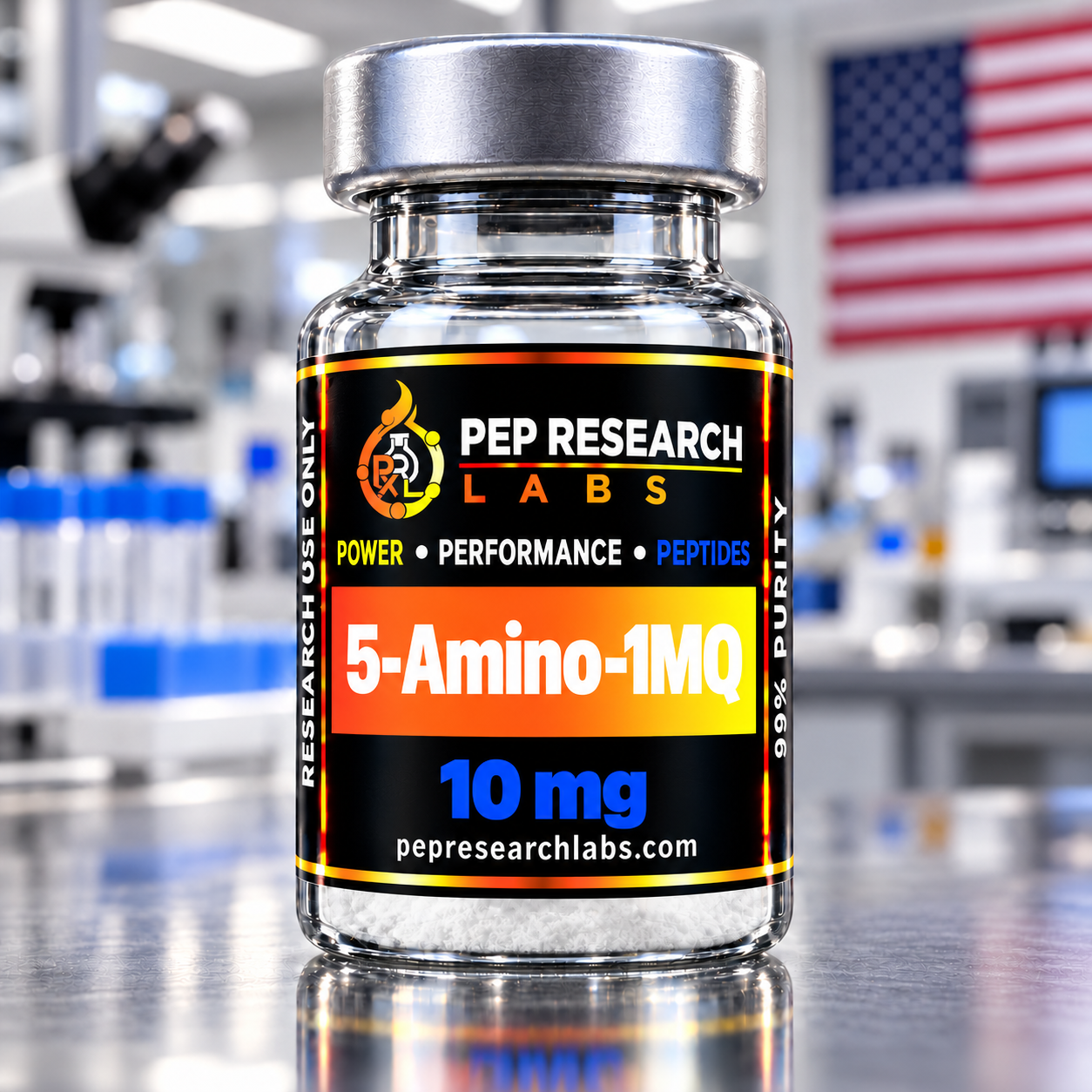
5-Amino-1MQ
5-Amino-1MQ, also known as 5-amino-1-methylquinolinium, is a small-molecule research compound investigated as an inhibitor of nicotinamide N-methyltransferase (NNMT). Although frequently grouped with peptides in research catalogs, 5-Amino-1MQ is not a peptide. NNMT is an intracellular enzyme involved in nicotinamide metabolism, methyl-donor balance, and cellular energy regulation. Preclinical studies have examined 5-Amino-1MQ in laboratory models involving NNMT activity, adipocyte biology, metabolic signaling, NAD⁺-related pathways, and cellular energy expenditure. Product Information Product: 5-Amino-1MQ Compound type: Small-molecule NNMT inhibitor Form: Research material Purity: Refer to the product-specific Certificate of Analysis Testing: Independently tested for identity and purity Storage: Store according to the supplied handling documentation Research Applications 5-Amino-1MQ is commonly investigated in connection with: NNMT enzyme inhibition Nicotinamide and NAD⁺-related metabolism Cellular energy-regulation pathways Adipocyte differentiation and lipid-metabolism models Methyl-donor and metabolic signaling Experimental metabolic and body-composition models Important Notice This product is sold exclusively for laboratory research and analytical purposes. It is not a drug, dietary supplement, food, cosmetic, peptide therapy, or medical product. FOR RESEARCH PURPOSES ONLY. NOT FOR HUMAN OR VETERINARY USE. NOT FOR HUMAN CONSUMPTION. This product is not intended to diagnose, treat, cure, mitigate, or prevent any disease. No dosing, administration, weight-loss, or therapeutic guidance is provided. Purchasers are responsible for ensuring that possession, handling, and research activities comply with all applicable laws, regulations, and institutional requirements.
Per 10 mg vial / container · Sampled retail prices, Oct 1, 2026
$4.76 below comparison price
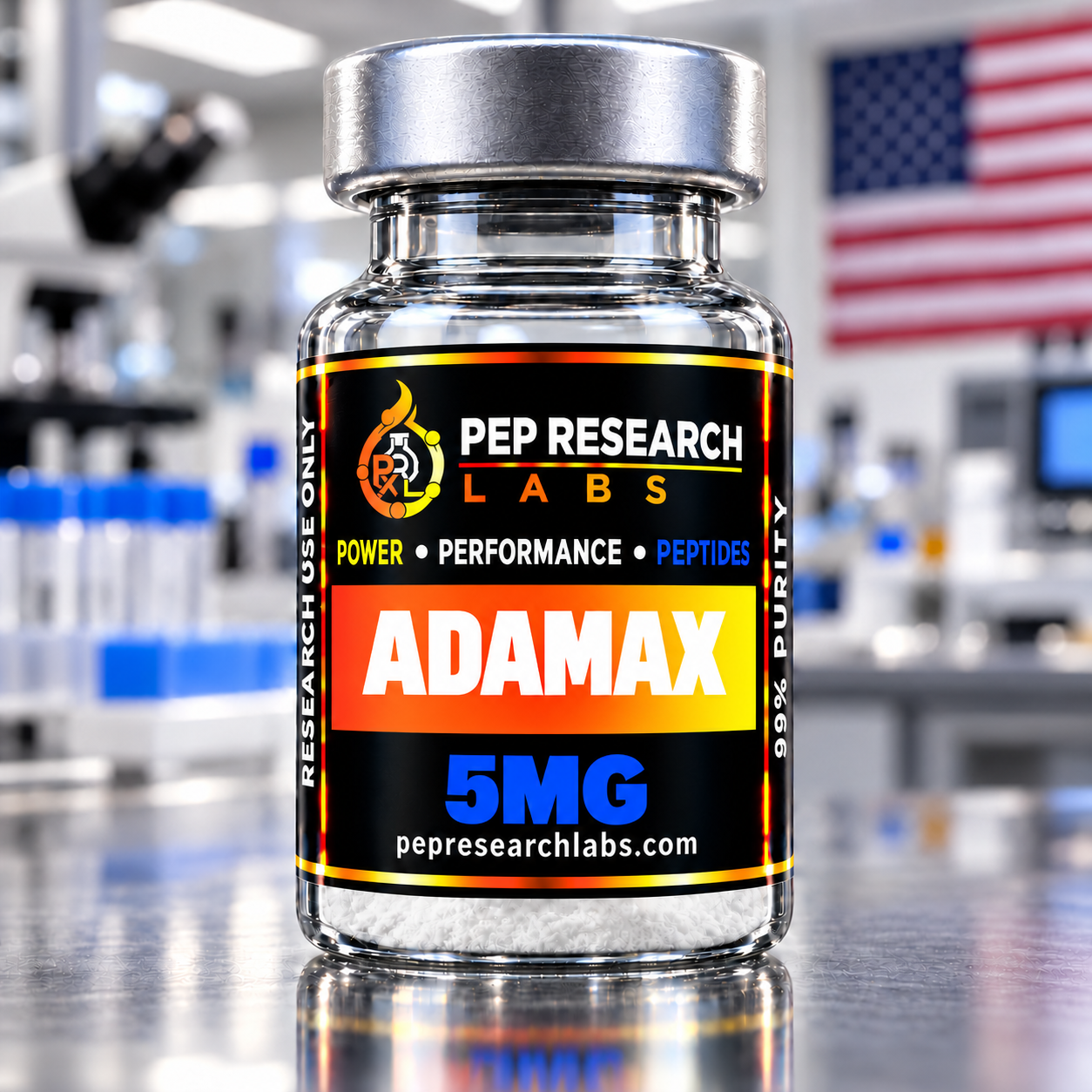
Adamax
Adamax is an experimental synthetic peptide commonly described as a modified, Semax-related research compound. It is used in controlled laboratory settings to investigate peptide stability, molecular interactions, neuromodulatory signaling, neuroplasticity-associated pathways, and stress-response biology. Product Information Product: Adamax Compound type: Experimental synthetic peptide Form: Lyophilized research material Purity: Refer to the product-specific Certificate of Analysis Testing: Independently tested for identity and purity Storage: Store according to the supplied handling documentation Research Applications Adamax may be used in laboratory investigations involving: Peptide stability and degradation Peptide-receptor and molecular interactions Neuromodulatory signaling pathways Neuroplasticity-associated cellular mechanisms Neurotrophic-factor signaling models Cellular stress-response pathways Comparative research involving Semax-related compounds Important Notice This product is sold exclusively for laboratory research and analytical purposes. It is not a drug, dietary supplement, food, cosmetic, or medical product. FOR RESEARCH PURPOSES ONLY. NOT FOR HUMAN OR VETERINARY USE. NOT FOR HUMAN CONSUMPTION. This product is not intended to diagnose, treat, cure, mitigate, or prevent any disease. No dosing, administration, cognitive-enhancement, or therapeutic guidance is provided. Purchasers are responsible for ensuring that possession, handling, and research activities comply with all applicable laws, regulations, and institutional requirements.
Per 5 mg vial / container · 3 sampled retailers, Oct 7, 2026
$8.45 below comparison price
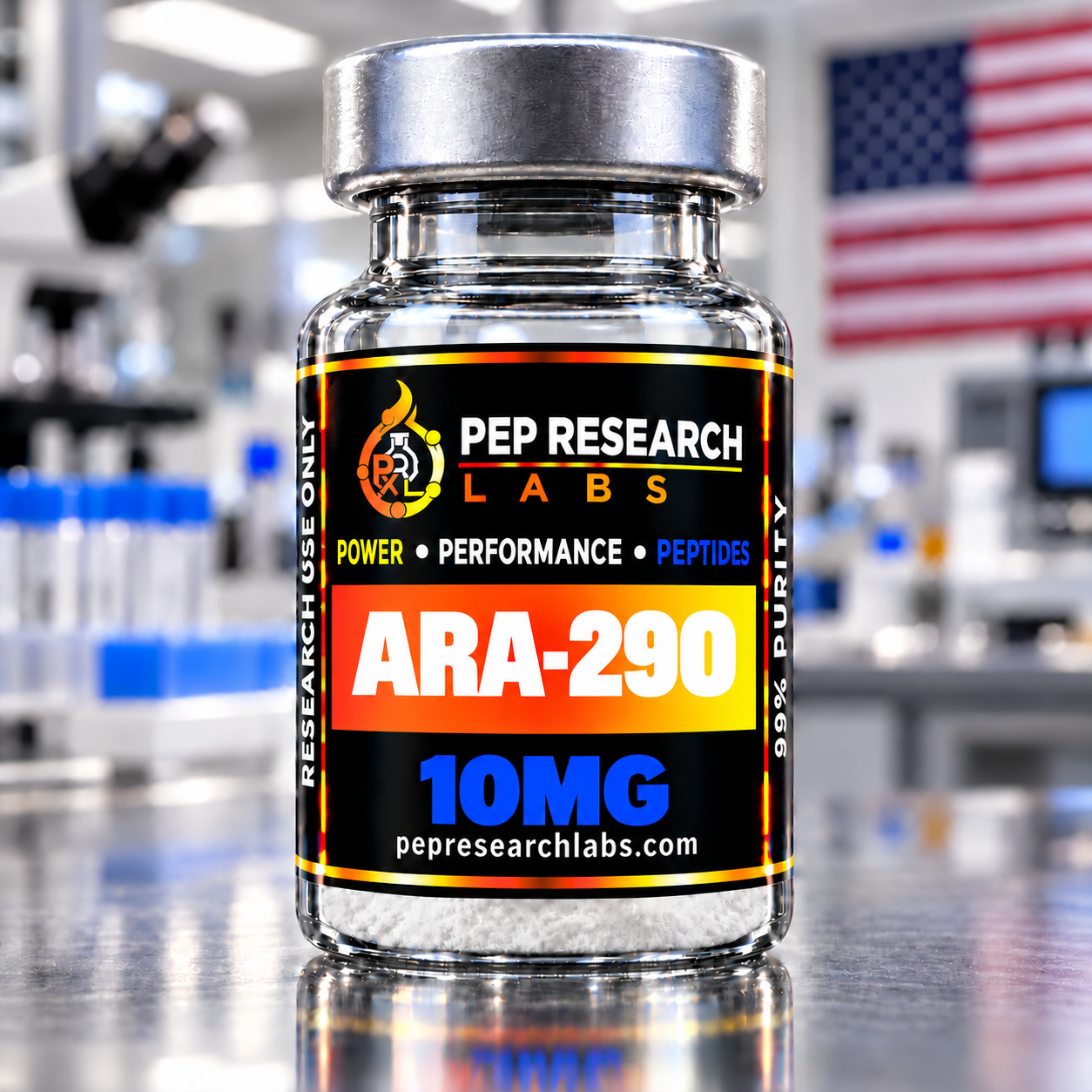
ARA-290
ARA-290 — Research Use Only ARA-290, also known as cibinetide or pyroglutamate helix-B surface peptide, is a synthetic 11-amino-acid peptide modeled from the three-dimensional structure of helix B of erythropoietin. It was engineered to study proposed tissue-protective signaling without producing erythropoietin’s red-blood-cell-forming activity. ARA-290 is used in qualified research settings to examine innate repair receptor signaling, cellular stress responses, inflammatory pathways, neuronal models, microvascular biology, and experimental tissue-protection mechanisms. Product Information Product: ARA-290 Alternative name: Cibinetide Compound type: Synthetic erythropoietin-derived peptide Peptide length: 11 amino acids Sequence: Pyr–Glu–Gln–Leu–Glu–Arg–Ala–Leu–Asn–Ser–Ser–OH Molecular formula: C₅₁H₈₄N₁₆O₂₁ Research designation: Pyroglutamate helix-B surface peptide Form: Lyophilized research material Purity: Refer to the lot-specific Certificate of Analysis Testing: Identity and purity documentation available by lot Storage: Store according to the conditions printed on the product label and Certificate of Analysis Research Applications ARA-290 may be used in qualified laboratory investigations involving: Proposed innate repair receptor signaling EPOR/CD131 receptor-complex models Cellular stress and survival pathways Inflammatory and immune-cell signaling Peripheral-neuron and sensory-pathway models Microvascular and endothelial-cell research Experimental tissue-protection mechanisms Ischemia and reperfusion models Comparative erythropoietin-derived peptide studies Non-erythropoietic signaling pathways Important Notice For research use only. Not for human or veterinary use. This product is supplied exclusively for controlled laboratory research by qualified professionals. It is not a drug, dietary supplement, or medical treatment and has not been approved by the U.S. Food and Drug Administration for clinical use. No dosing, reconstitution, administration, pain-relief, nerve-repair, anti-inflammatory, or therapeutic guidance is provided or implied. Researchers are responsible for appropriate handling and compliance with all applicable requirements.
Per 10 mg vial / container · Sampled retail prices, Oct 1, 2026
$8.15 below comparison price
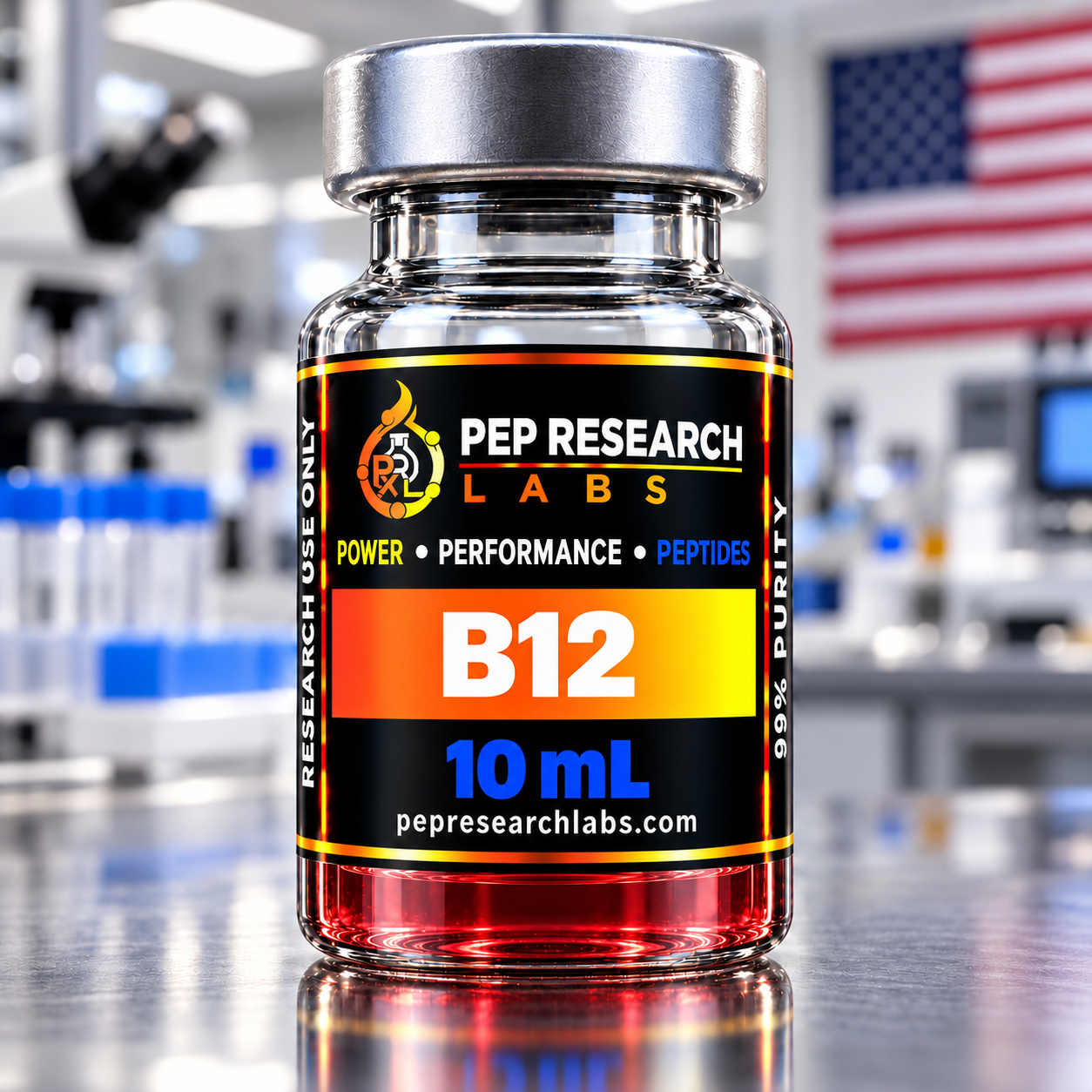
B12
Vitamin B12 — Research Use Only Vitamin B12, also known collectively as cobalamin, is a water-soluble, cobalt-containing member of the B-vitamin family. It serves as an essential cofactor in biological processes involving one-carbon metabolism, DNA synthesis, red-blood-cell development, nervous-system function, and cellular energy pathways. Vitamin B12 exists in several forms, including cyanocobalamin, methylcobalamin, hydroxocobalamin, and adenosylcobalamin. The exact form and concentration of this research material should be confirmed using the product label and product-specific Certificate of Analysis. Product Information Product: Vitamin B12 Compound type: Water-soluble cobalamin compound Form: Research solution Volume: 10 mL Concentration: Refer to the product label and Certificate of Analysis Testing: Refer to the product-specific analytical documentation Storage: Store according to the supplied handling documentation Research Applications Vitamin B12 is commonly investigated in connection with: Cobalamin-dependent enzyme activity DNA synthesis and cellular replication One-carbon and methylation pathways Methionine and homocysteine metabolism Red-blood-cell development models Neurological and myelination pathways Cellular energy and nutrient-metabolism research Comparative research involving different cobalamin forms Important Notice This product is sold exclusively for laboratory research and analytical purposes. It is not a drug, dietary supplement, food, cosmetic, or medical product. FOR RESEARCH PURPOSES ONLY. NOT FOR HUMAN OR VETERINARY USE. NOT FOR HUMAN CONSUMPTION. This product is not intended to diagnose, treat, cure, mitigate, or prevent any disease or nutritional deficiency. No dosing, administration, supplementation, or therapeutic guidance is provided. Purchasers are responsible for ensuring that possession, handling, and research activities comply with all applicable laws, regulations, and institutional requirements.
Per 10 mL vial / container · Sampled retail prices, Oct 1, 2026
$5.32 below comparison price
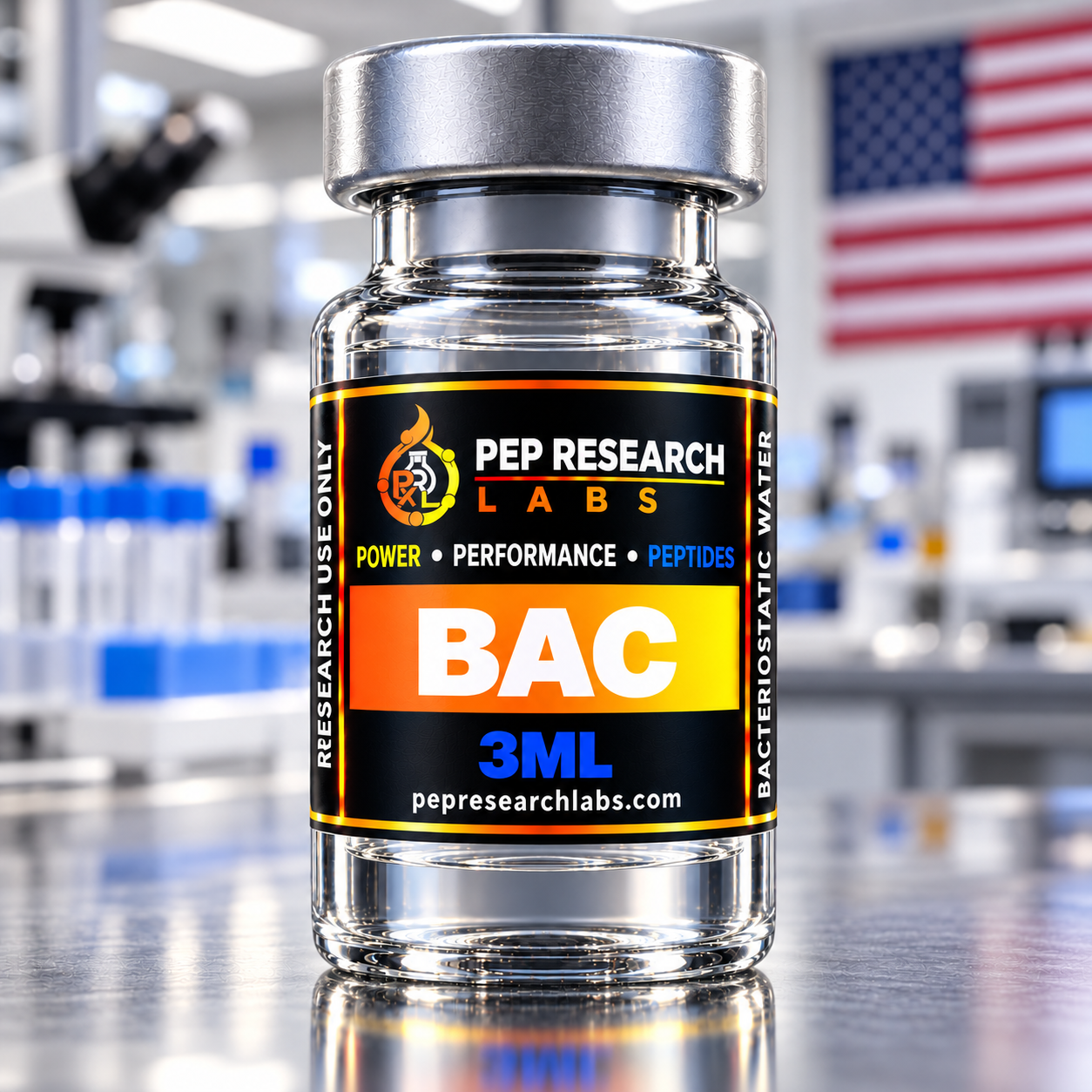
BAC Water
Per 3 mL vial / container · Sampled retail prices, Oct 1, 2026
$0.85 below comparison price
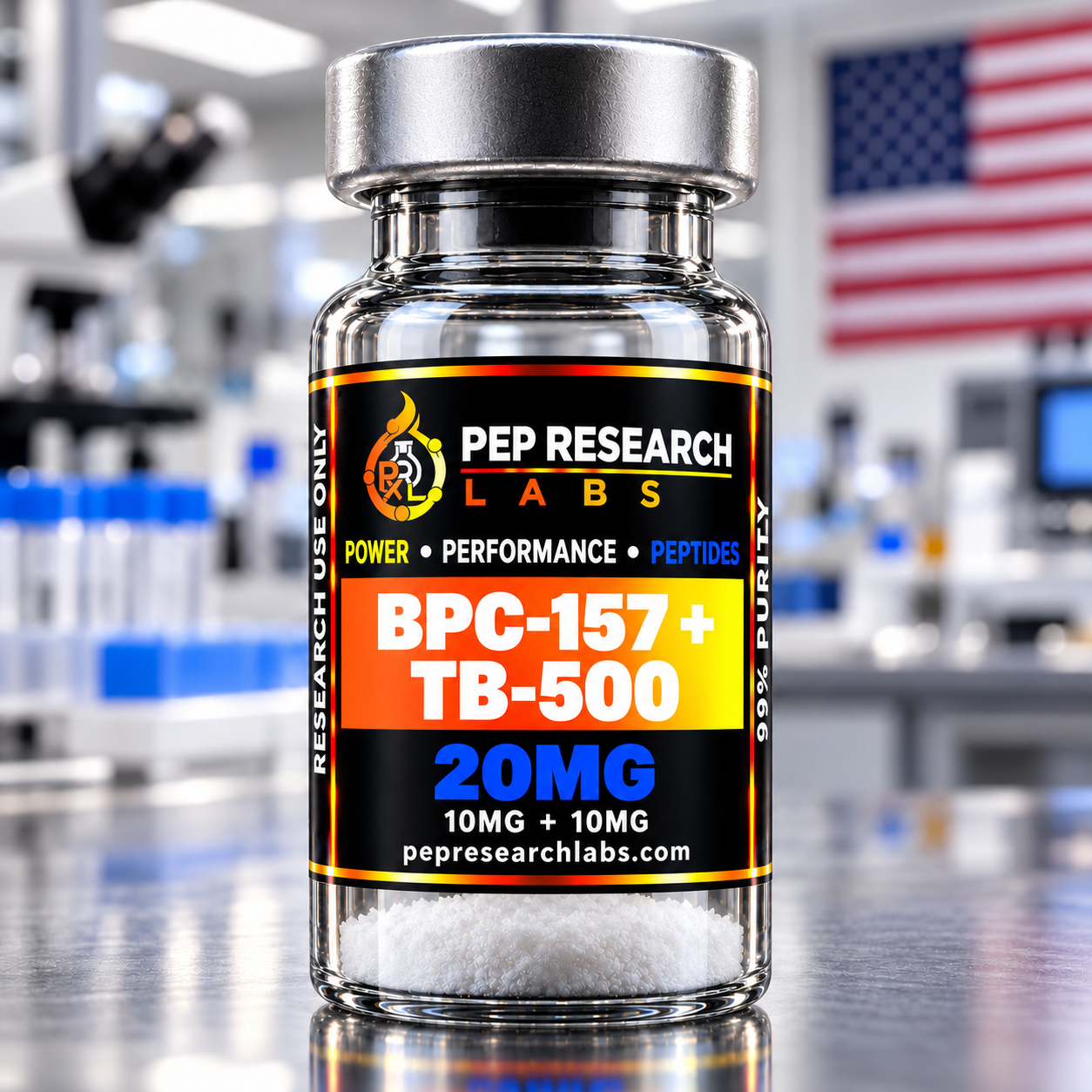
BPC-157 + TB-500 Blend
The BPC-157 and TB-500 research blend combines two synthetic peptides commonly investigated in laboratory models involving cellular repair, tissue remodeling, angiogenic signaling, inflammatory responses, and recovery following experimental tissue injury. BPC-157 is a synthetic 15-amino-acid peptide studied primarily in preclinical models involving tendon fibroblasts, connective tissue, gastrointestinal tissue, blood-vessel signaling, and cellular responses to injury. TB-500 is a synthetic fragment associated with thymosin beta-4 research. Laboratory studies involving thymosin beta-4 and related fragments have examined actin regulation, cell migration, angiogenesis, tissue remodeling, and wound-repair pathways. Findings involving full-length thymosin beta-4 should not automatically be attributed to the TB-500 fragment. Show less Common Areas of Research Tendon, ligament, and connective-tissue models Cellular migration and tissue-remodeling pathways Fibroblast activity and extracellular-matrix research Angiogenic and vascular-signaling mechanisms Inflammatory-response pathways Muscle and soft-tissue injury models Wound-repair and re-epithelialization research Potential interactions between complementary repair pathways Product Information Product: BPC-157 and TB-500 Research Blend Components: BPC-157 and TB-500 Form: Lyophilized research material Strength: As stated on the product label Storage: Store as directed on the product label and accompanying documentation Intended use: Laboratory, analytical, and scientific research only
Per 20 mg vial / container · Sampled retail prices, Oct 1, 2026
$20.00 below comparison price
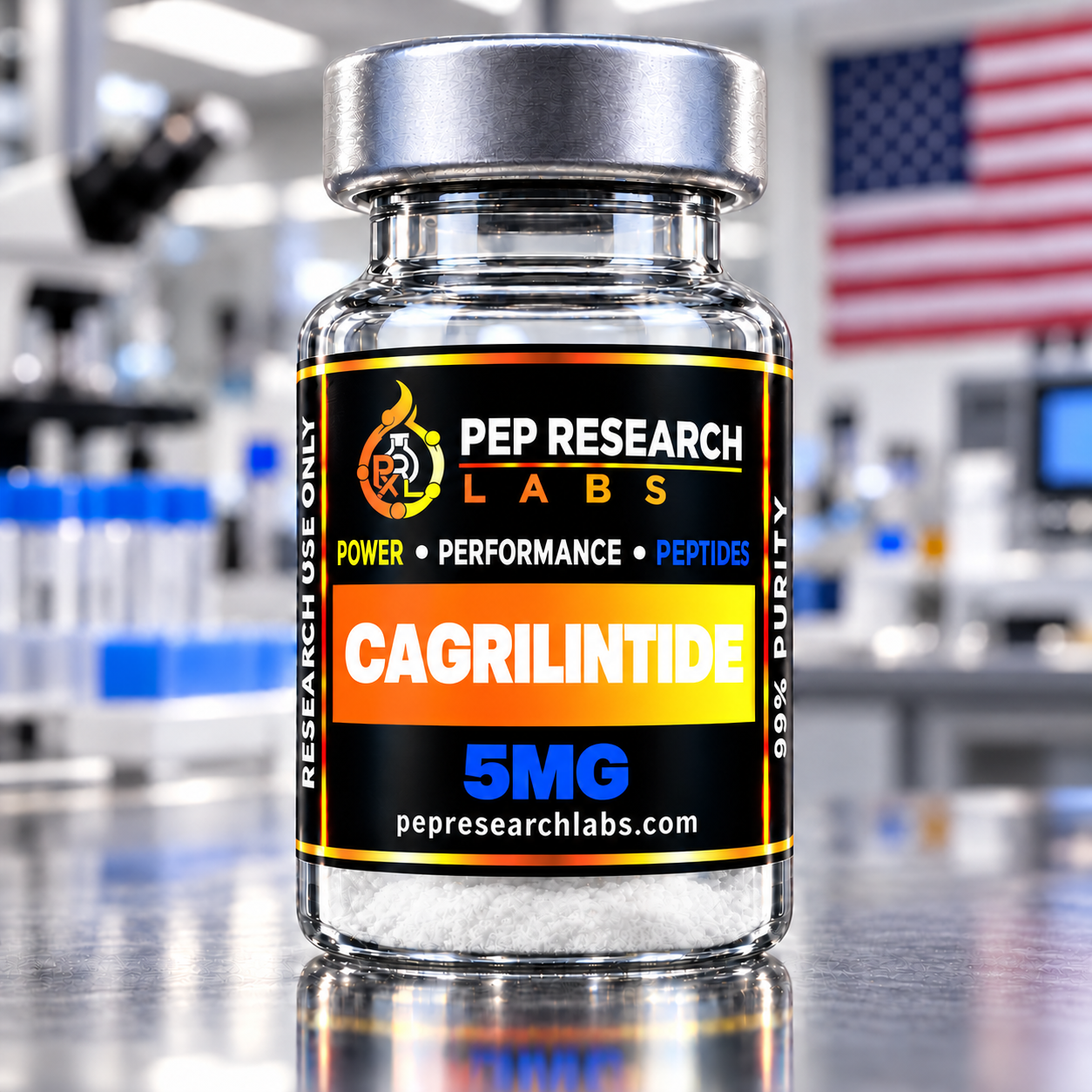
Cagrilintide
Cagrilintide — Research Use Only Cagrilintide is a synthetic, long-acting, acylated analog of human amylin. It is a 37-amino-acid peptide containing a stabilizing disulfide bridge and a fatty-acid modification designed to support extended activity in experimental models. Cagrilintide is used in qualified research settings to examine amylin- and calcitonin-receptor signaling, appetite and satiety pathways, gastric-motility models, energy balance, glucose regulation, and metabolic biomarkers. It remains an investigational compound and is not an FDA-approved drug. Product Information Product: Cagrilintide Total content: 5 mg Compound type: Synthetic acylated amylin analog Peptide length: 37 amino acids Research class: Amylin- and calcitonin-receptor agonist Structural feature: Intramolecular disulfide bridge Form: Lyophilized research material Purity: Refer to the lot-specific Certificate of Analysis Storage: Store according to the conditions printed on the product label and Certificate of Analysis Research Applications Cagrilintide may be used in qualified laboratory investigations involving: Amylin-receptor signaling Calcitonin-family receptor pharmacology Appetite and satiety pathways Gastric-motility research Energy-intake and energy-balance models Glucose-regulation pathways Pancreatic hormone signaling Adipose-tissue and body-composition models Metabolic-marker research Comparative amylin-analog studies Combination research with other metabolic compounds Important Notice For research use only. Not for human or veterinary use. This product is supplied exclusively for controlled laboratory research by qualified professionals. It is not intended for diagnosis, treatment, prevention, personal administration, pharmacy compounding, weight management, or any other clinical purpose. No dosing, reconstitution, administration, appetite-suppression, weight-loss, blood-glucose-management, or therapeutic guidance is provided or implied. Researchers are responsible for appropriate handling and compliance with all applicable requirements.
Per 5 mg vial / container · 2 sampled retailers, Oct 8, 2026
$4.70 below comparison price
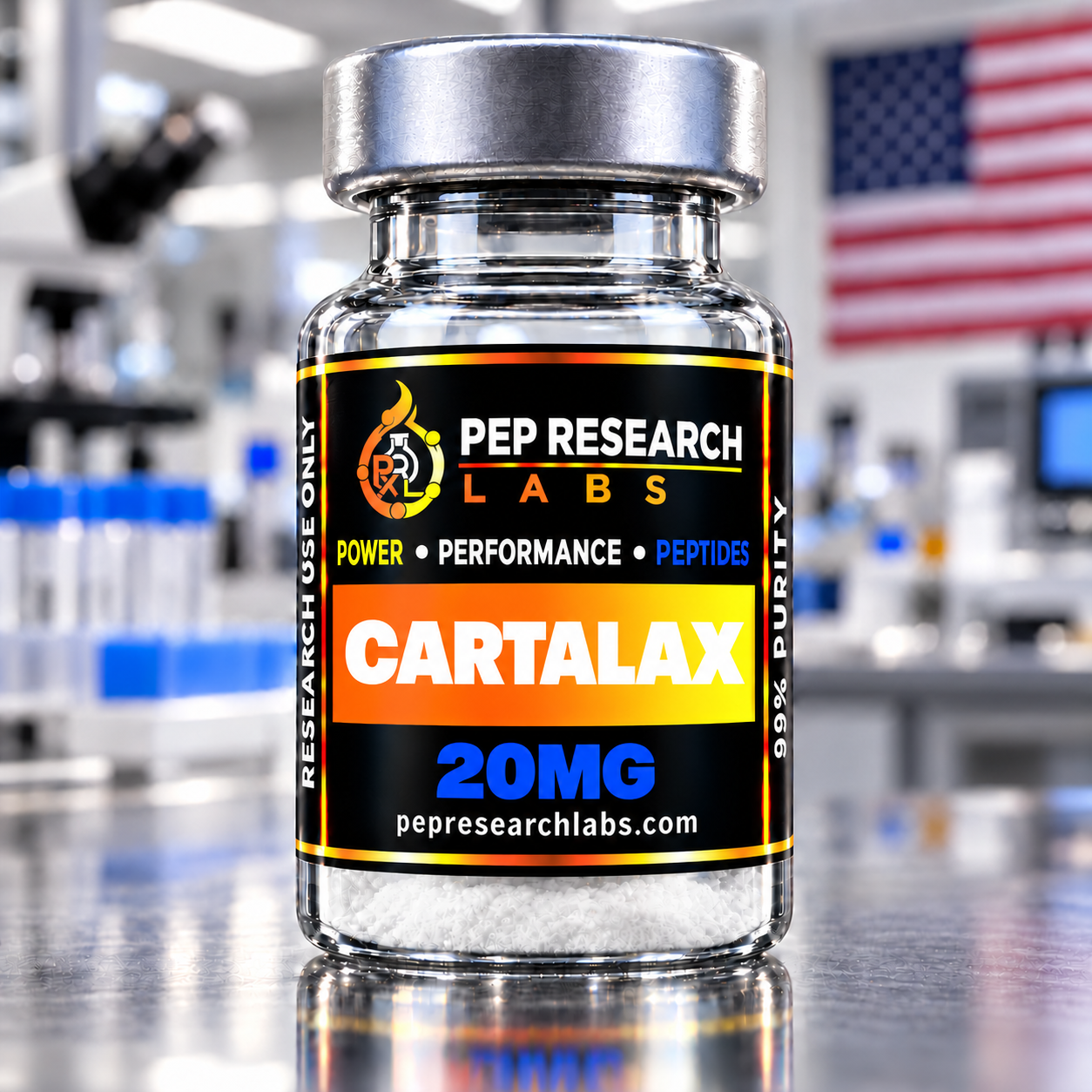
Cartalax
Cartalax — Research Use Only Cartalax is a synthetic tripeptide with the sequence Ala-Glu-Asp (AED). It belongs to the class of short regulatory peptides, often called peptide bioregulators, described in research associated with V. Kh. Khavinson and colleagues. Laboratory research has examined Cartalax mainly in cell-culture models, including cartilage- and connective-tissue cells and aging fibroblast cultures, with readouts such as proliferation, apoptosis, and gene-expression markers. Most available findings come from in-vitro and animal studies, largely from a single research group, and should not be interpreted as established human safety or therapeutic efficacy. Product Information Product: Cartalax Sequence: Ala-Glu-Asp (AED) Total content: 20 mg Compound type: Synthetic short peptide Length: 3 amino acids Form: Lyophilized research material Purity: Refer to the product-specific Certificate of Analysis Storage: Store according to the supplied handling documentation Research Applications Cartalax is commonly investigated in connection with: Short-peptide bioregulator research Chondrocyte and connective-tissue cell models Fibroblast cellular-aging models Proliferation and apoptosis markers Gene-expression changes in cultured cells Important Notice This product is sold exclusively for laboratory research and analytical purposes. It is not a drug, dietary supplement, food, cosmetic, or medical product. FOR RESEARCH PURPOSES ONLY. NOT FOR HUMAN OR VETERINARY USE. NOT FOR HUMAN CONSUMPTION. This product is not intended to diagnose, treat, cure, mitigate, or prevent any disease. No dosing, administration, joint, cartilage, anti-aging, or therapeutic guidance is provided. Purchasers are responsible for ensuring that possession, handling, and research activities comply with all applicable laws, regulations, and institutional requirements.
Per 20 mg vial / container · 2 sampled retailers, Oct 8, 2026
$5.00 below comparison price
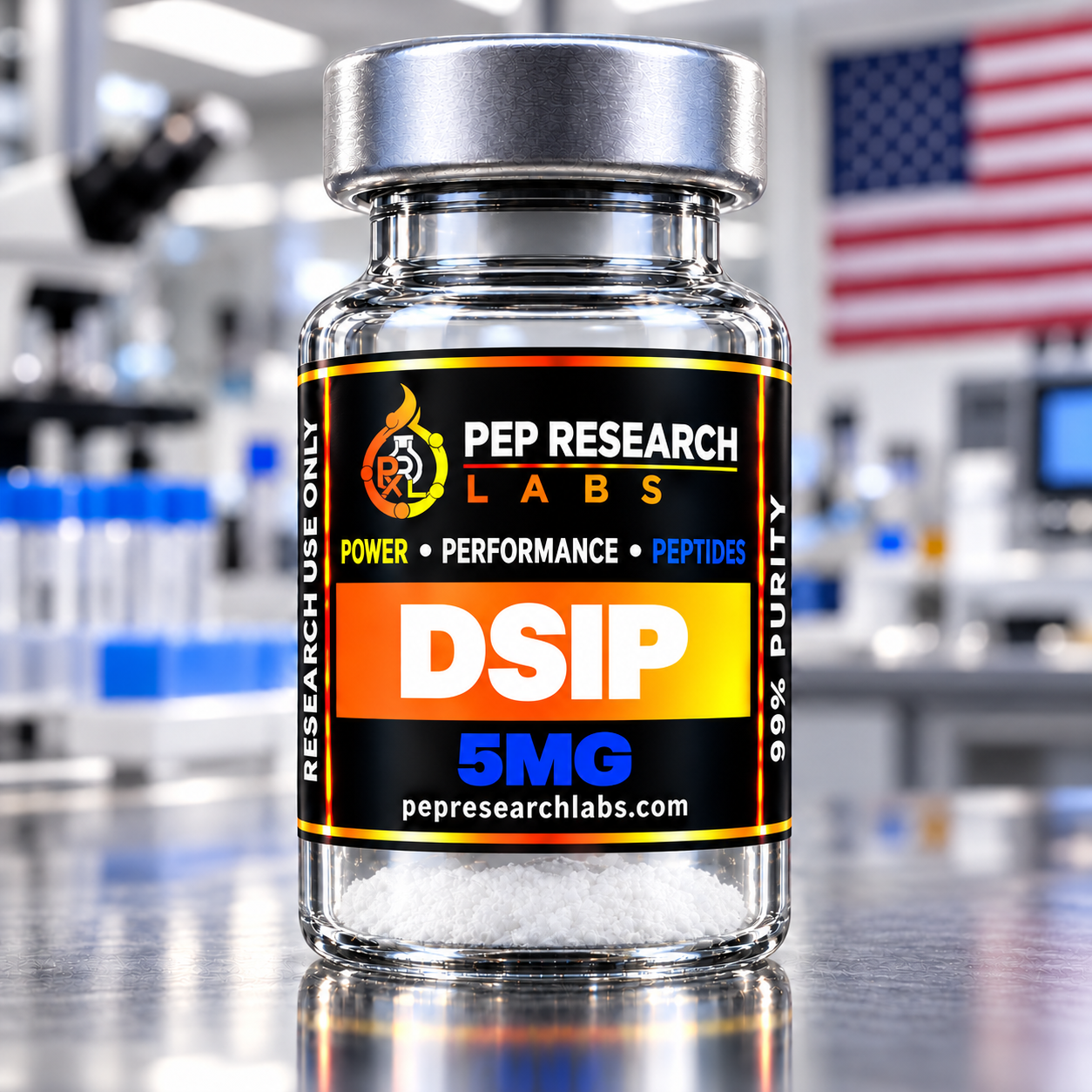
DSIP
DSIP — Delta Sleep-Inducing Peptide DSIP is a nine-amino-acid peptide investigated in experimental studies of sleep-related physiology, neuropeptide signaling, and stress responses. It is of interest to researchers examining the relationship between neurological activity and physiological regulation. Pep Research Labs offers DSIP exclusively for laboratory research. Published findings are specific to the experimental models and conditions studied and do not establish therapeutic benefits or safety for human use. Research Areas Sleep-related physiology and EEG activity Neuropeptide signaling Stress responses and oxidative stress markers For Research Use Only. Not for human or animal consumption. Not intended to diagnose, treat, cure, or prevent any disease.
Per 5 mg vial / container · 2 sampled retailers, Oct 7, 2026
$6.67 below comparison price
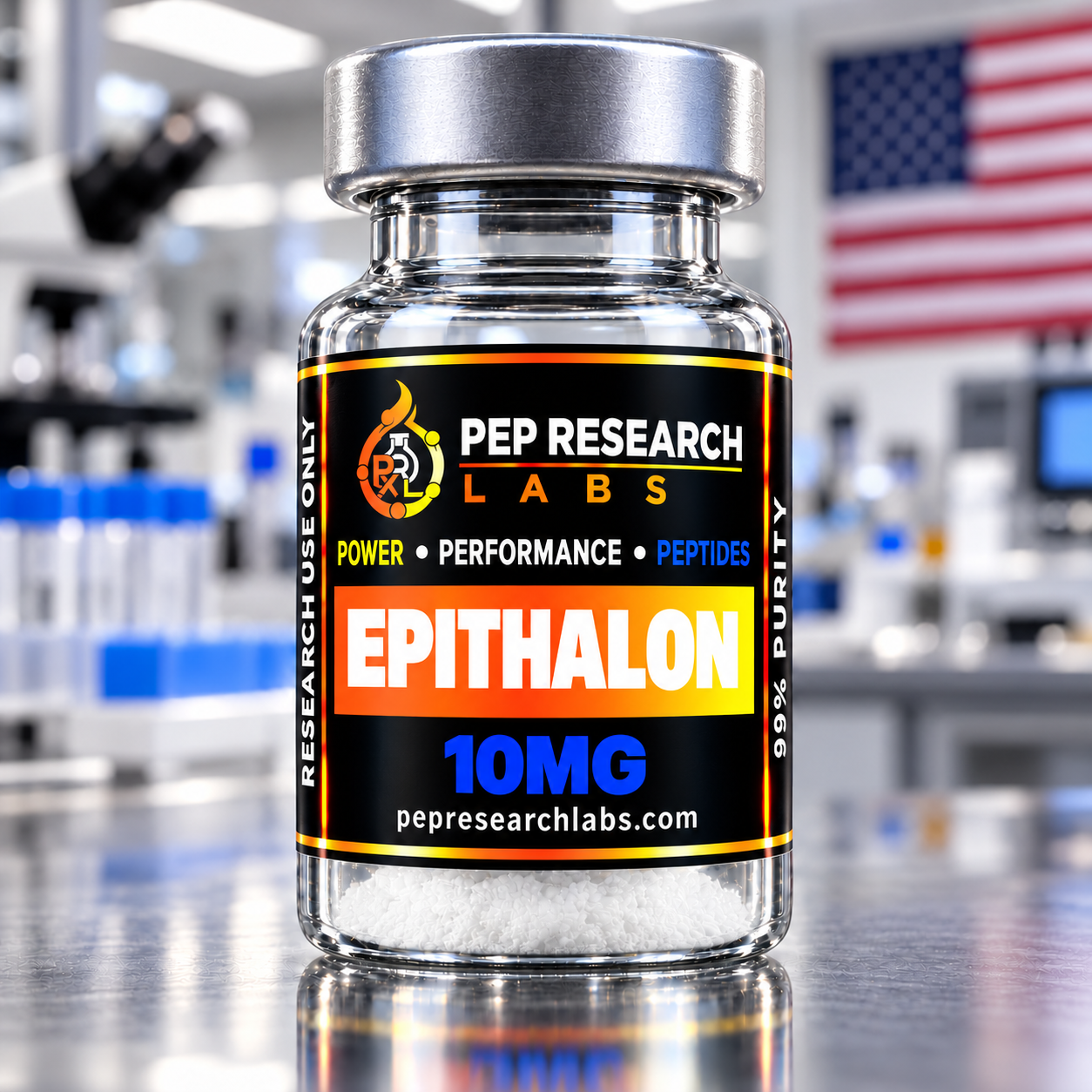
Epithalon
Epithalon — Research Use Only Epithalon, also known as Epitalon, is a synthetic tetrapeptide composed of four amino acids: alanine, glutamic acid, aspartic acid, and glycine (Ala–Glu–Asp–Gly). It is studied in laboratory models investigating telomere biology, telomerase activity, and cellular aging. Research Applications Investigation of telomerase activity and telomere maintenance. Evaluation of cellular proliferation in cultured cells. Study of gene expression associated with telomere regulation. Pep Research Labs offers Epithalon exclusively for laboratory research and analytical applications. Findings in experimental models do not establish safety or effectiveness for human use. For Research Use Only. Not for human or veterinary use. Not intended to diagnose, treat, cure, or prevent any disease.
Per 10 mg vial / container · 2 sampled retailers, Oct 8, 2026
$4.75 below comparison price
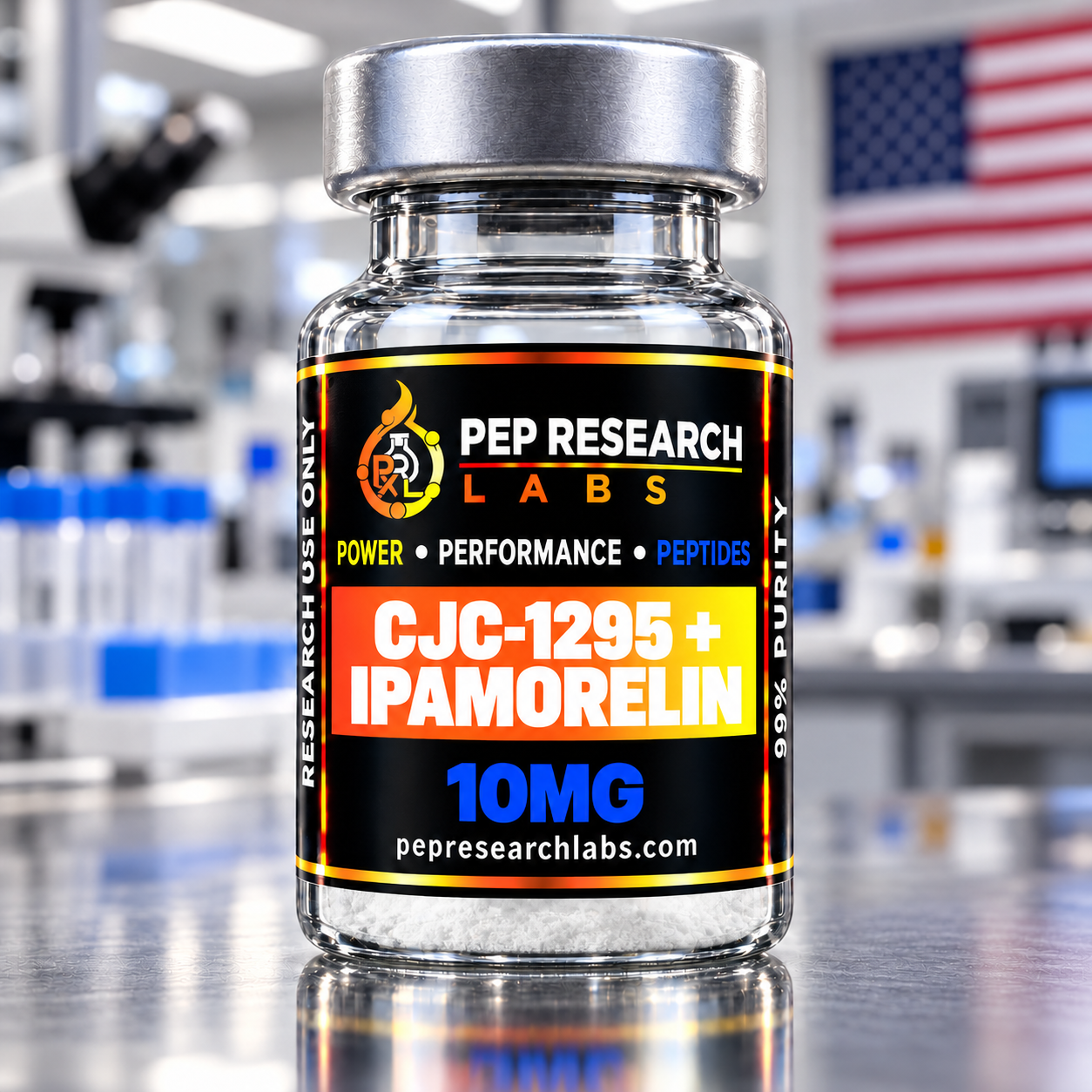
Fit Stack
CJC-1295 Without DAC + Ipamorelin — Research Use Only CJC-1295 Without DAC + Ipamorelin is a two-peptide blend for laboratory investigation of growth hormone–related signaling pathways. CJC-1295 without DAC, also known as Modified GRF (1–29), is a synthetic growth hormone–releasing hormone (GHRH) analog. It lacks the Drug Affinity Complex found in the albumin-binding DAC version. Ipamorelin is a synthetic pentapeptide studied as a growth hormone secretagogue that acts through the ghrelin receptor pathway. Combining these compounds provides a research material for examining interactions between two distinct pathways involved in growth hormone release. Research Applications Investigation of GHRH and ghrelin receptor signaling. Evaluation of growth hormone release in experimental models. Comparison of individual compounds and combined peptide responses. Pep Research Labs offers this blend exclusively for laboratory research and analytical applications. Experimental findings do not establish the blend’s safety or effectiveness for human use. For Research Use Only. Not for human or veterinary use. Not intended to diagnose, treat, cure, or prevent any disease.
Per 10 mg vial / container · Sampled retail prices, Oct 1, 2026
$6.49 below comparison price
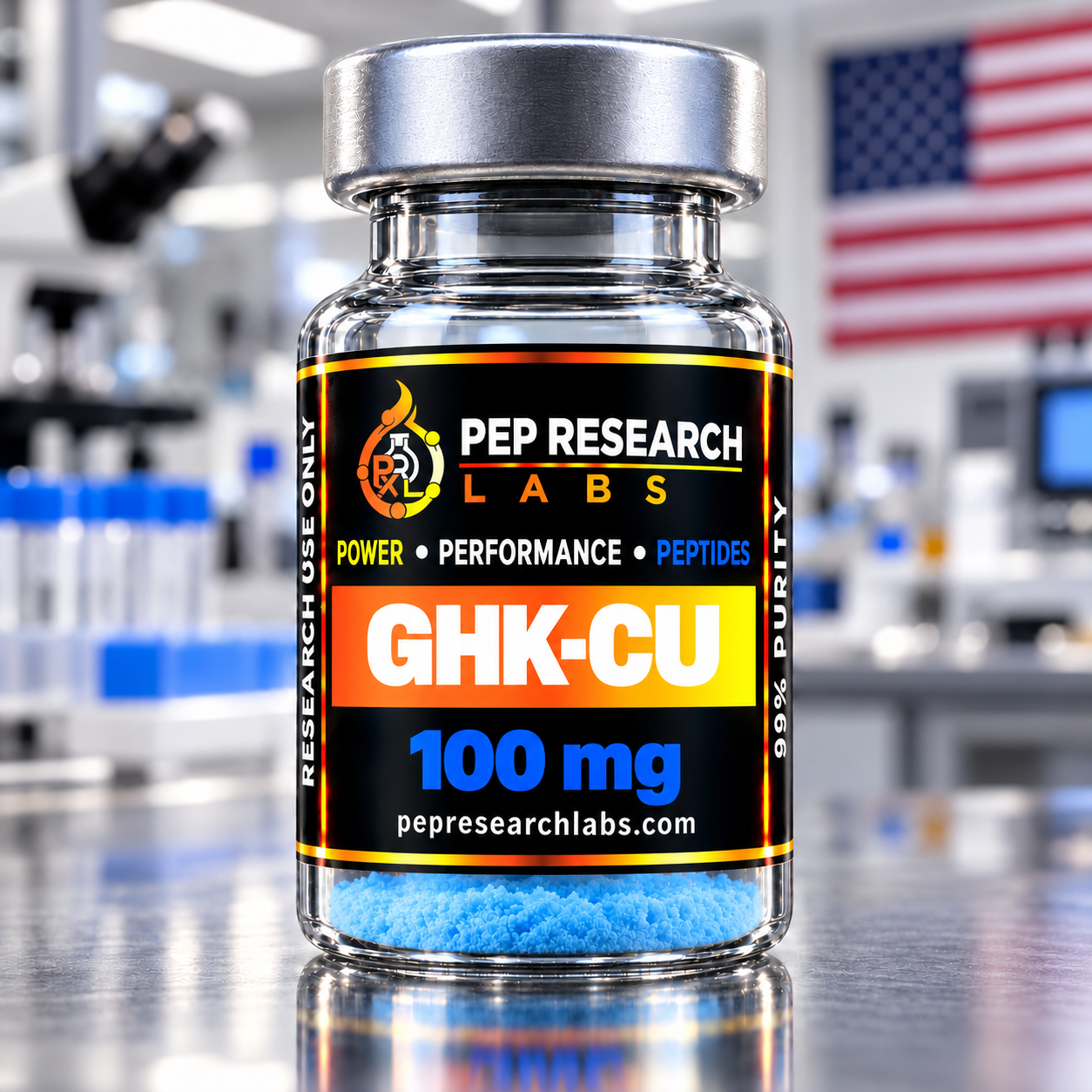
GHK-CU
GHK-Cu — Research Use Only GHK-Cu is a naturally occurring copper-binding tripeptide composed of glycine, histidine, and lysine complexed with copper ions. It is found in biological fluids and has been studied for its role in copper transport, extracellular-matrix signaling, cellular migration, oxidative-stress responses, and tissue-remodeling pathways. Laboratory and preliminary clinical research has examined GHK-Cu in connection with collagen and elastin regulation, fibroblast activity, angiogenic signaling, inflammatory pathways, skin biology, wound-response models, and hair-follicle research. These findings should not be interpreted as established therapeutic outcomes for an unapproved product. Product Information Product: GHK-Cu Full name: Glycyl-L-Histidyl-L-Lysine Copper Complex Compound type: Copper-binding tripeptide Form: Lyophilized research material Purity: Refer to the product-specific Certificate of Analysis Testing: Independently tested for identity and purity Storage: Store according to the supplied handling documentation Research Applications GHK-Cu is commonly investigated in connection with: Copper-binding and transport mechanisms Collagen and elastin-related pathways Fibroblast activity and cellular migration Extracellular-matrix remodeling Angiogenic and tissue-response signaling Oxidative-stress and inflammatory pathways Skin and connective-tissue biology Hair-follicle and dermal research models Important Notice This product is sold exclusively for laboratory research and analytical purposes. It is not a drug, dietary supplement, food, cosmetic, or medical product. FOR RESEARCH PURPOSES ONLY. NOT FOR HUMAN OR VETERINARY USE. NOT FOR HUMAN CONSUMPTION. This product is not intended to diagnose, treat, cure, mitigate, or prevent any disease. No dosing, administration, injection, cosmetic, hair-growth, anti-aging, or therapeutic guidance is provided. Purchasers are responsible for ensuring that possession, handling, and research activities comply with all applicable laws, regulations, and institutional requirements.
Per 100 mg vial / container · Sampled retail prices, Oct 1, 2026
$8.50 below comparison price
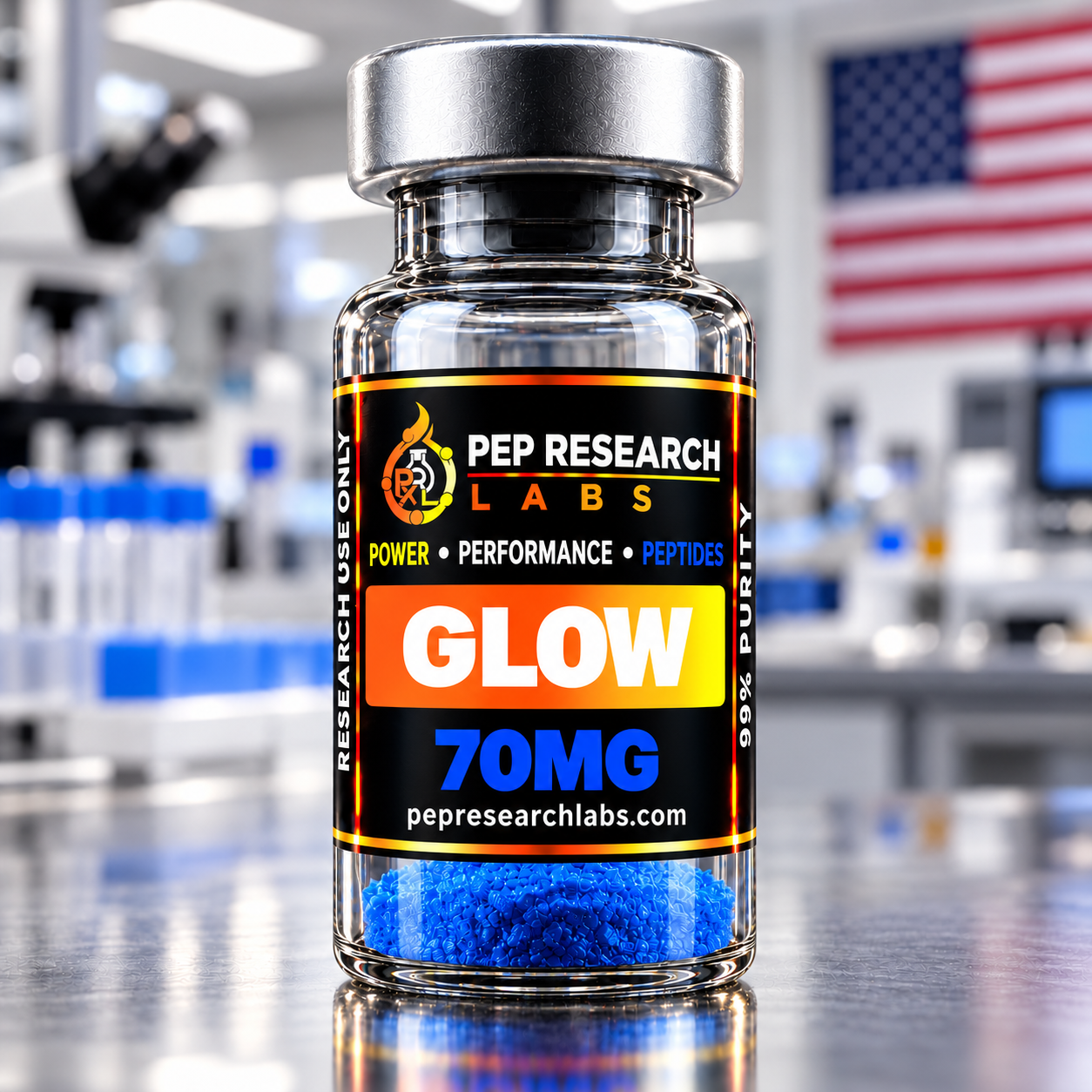
GLOW (BPC157 10mg + GHK-CU 50mg + TB500 10mg)
Glow — Research Use Only Glow is a three-compound research blend containing GHK-Cu, BPC-157, and TB-500. The formulation combines research materials investigated in laboratory models involving extracellular-matrix remodeling, collagen signaling, cellular migration, angiogenesis, inflammatory pathways, and tissue-repair mechanisms. Each component has a distinct experimental profile. GHK-Cu is a copper-binding tripeptide studied in collagen and skin-biology models. BPC-157 is a synthetic pentadecapeptide investigated primarily in preclinical tissue-repair and vascular-signaling research. TB-500 is a thymosin-beta-4-related research peptide examined in actin regulation and cell-migration models. Product Information Product: Glow Total content: 70 mg GHK-Cu: 50 mg BPC-157: 10 mg TB-500: 10 mg Compound type: Multi-peptide research blend Research class: Tissue-remodeling and cellular-signaling blend Form: Lyophilized research material Purity: Refer to the lot-specific Certificate of Analysis Testing: Identity and purity documentation available by lot Storage: Store according to the conditions printed on the product label and Certificate of Analysis Research Applications Glow may be used in qualified laboratory investigations involving: Collagen and elastin-associated pathways Extracellular-matrix organization and remodeling Fibroblast activity and cellular migration Angiogenesis and vascular-signaling models Actin regulation and cytoskeletal dynamics Skin and connective-tissue biology Inflammatory and oxidative-stress pathways Cellular-repair signaling Keratinocyte and endothelial-cell models Copper-dependent enzyme activity Comparative peptide-interaction studies Multi-compound tissue-remodeling research Because Glow combines three research compounds, experimental findings involving the blend should not be assumed to equal findings reported for each component individually. Important Notice For research use only. Not for human or veterinary use. This product is supplied exclusively for controlled laboratory research by qualified professionals. It is not intended for diagnosis, treatment, prevention, personal administration, pharmacy compounding, cosmetic treatment, wound care, injury recovery, or any other clinical purpose. No dosing, reconstitution, administration, cycling, injury-recovery, skin-care, hair-growth, or therapeutic guidance is provided or implied. Researchers are responsible for appropriate handling and compliance with all applicable requirements.
Per 70 mg vial / container · Sampled retail prices, Oct 1, 2026
$19.12 below comparison price
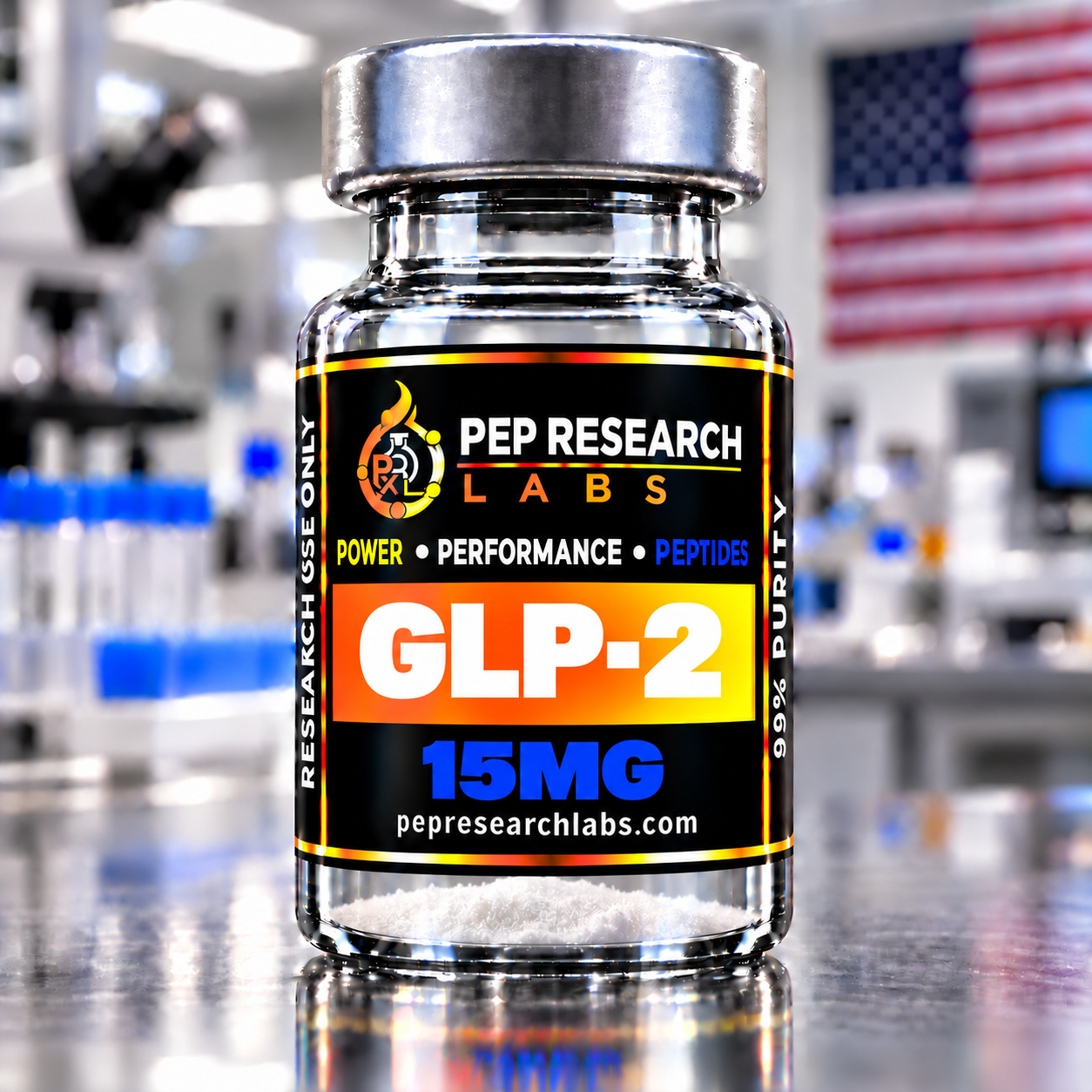
GLP-2
A synthetic, modified 39-amino-acid peptide that acts as a dual agonist of the glucose-dependent insulinotropic polypeptide receptor (GIPR) and the glucagon-like peptide-1 receptor (GLP-1R). Its structure includes a fatty-acid modification that influences albumin binding and its pharmacological properties. Laboratory and preclinical research has examined GLP-2 in experimental models involving incretin-receptor activity, intracellular signaling, pancreatic beta-cell responses, glucose-dependent insulin secretion, and metabolic regulation. Published findings do not establish the safety, efficacy, or suitability of this research-use material for human use. Product Information Product: GLP-2 Research designation: LY3298176 Compound type: Synthetic, modified peptide Peptide length: 39 amino acids Receptor targets: GIPR and GLP-1R Form: Refer to the product-specific specifications Purity: Refer to the product-specific Certificate of Analysis Testing: Refer to the product-specific Certificate of Analysis for documented testing methods and results Storage: Store according to the supplied handling documentation Research Applications commonly investigated in connection with: Dual GIPR and GLP-1R activation Incretin-receptor binding and selectivity Cyclic AMP signaling Receptor internalization and signaling bias Pancreatic beta-cell response models Glucose-dependent insulin-secretion pathways Cellular and systemic metabolic regulation Comparative studies of single- and dual-receptor agonists Important Notice This product is sold exclusively for laboratory research and analytical purposes. It is not supplied as a drug, dietary supplement, food, cosmetic, or medical product. FOR RESEARCH PURPOSES ONLY. NOT FOR HUMAN OR VETERINARY USE. NOT FOR HUMAN CONSUMPTION. This research material is not an FDA-approved finished prescription product and must not be substituted for one. This product is not intended to diagnose, treat, cure, mitigate, or prevent any disease. No dosing, administration, weight-management, blood-glucose-management, or therapeutic guidance is provided. Purchasers are responsible for ensuring that possession, handling, and research activities comply with all applicable laws, regulations, and institutional requirements.
Per 15mg vial / container · Store-provided comparison price
$7.05 below comparison price
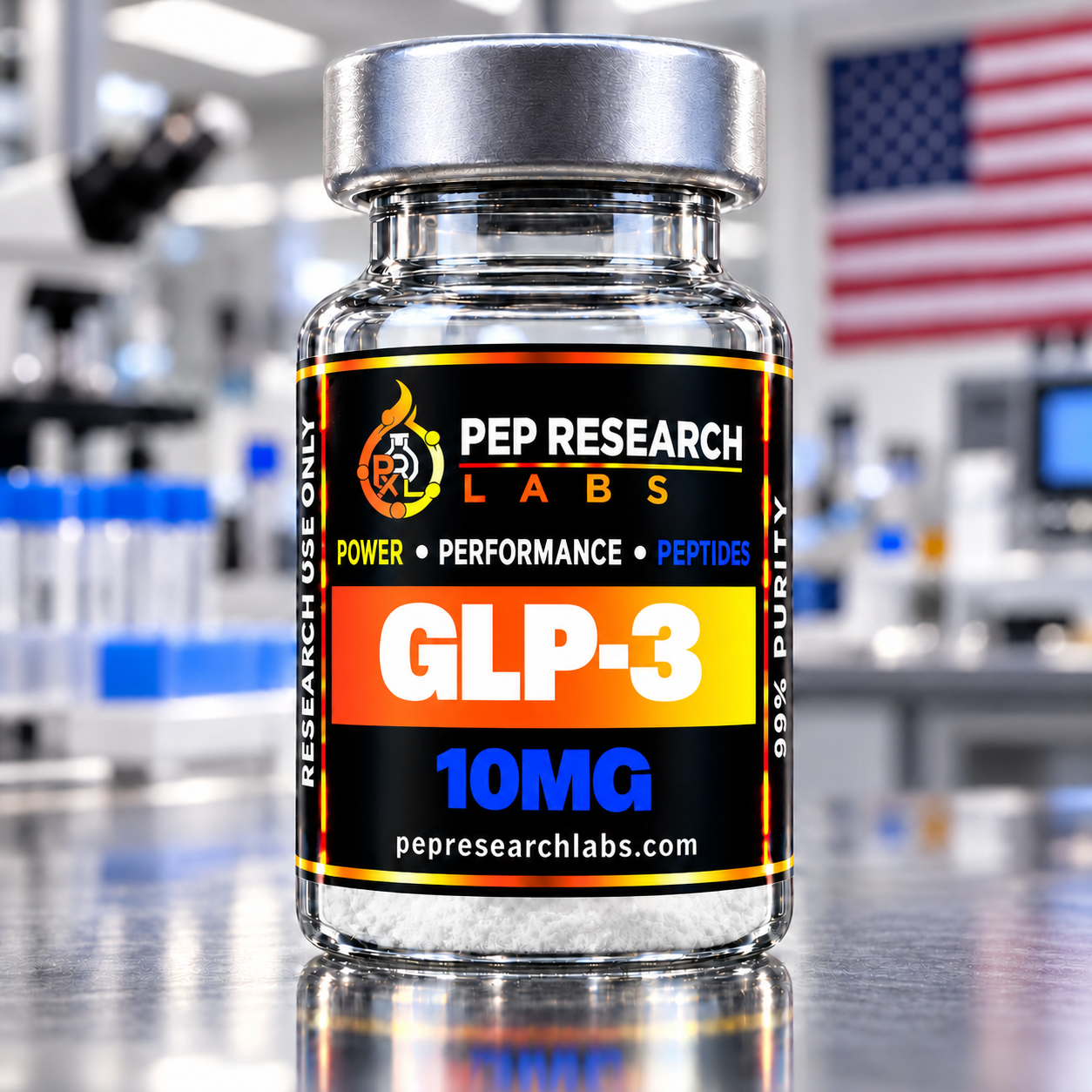
GLP-3
Known a synthetic, long-acting peptide engineered to activate the glucose-dependent insulinotropic polypeptide, glucagon-like peptide-1, and glucagon receptors. It incorporates molecular modifications designed to support albumin binding and extended activity in experimental formulations. Used in qualified research settings to examine triple-receptor signaling, glucose and lipid metabolism, pancreatic endocrine pathways, appetite-related signaling, energy expenditure, gastric-motility models, adipose-tissue biology, and metabolic biomarkers. Compound type: Synthetic acylated peptide Peptide length: 39 amino acids Research class: Triple GIP/GLP-1/glucagon receptor agonist Form: Lyophilized research material Purity: Refer to the lot-specific Certificate of Analysis Testing: Identity and purity documentation available by lot Storage: Store according to the conditions printed on the product label and Certificate of Analysis Research Applications May be used in qualified laboratory investigations involving: GIP-receptor signaling GLP-1-receptor signaling Glucagon-receptor signaling Triple-receptor pharmacology Glucose-dependent insulin-secretion pathways Pancreatic beta-cell and alpha-cell function Glucose and glucagon regulation Appetite, satiety and energy-balance signaling Gastric-motility research Adipocyte and lipid-metabolism pathways Energy-expenditure and substrate-utilization models Body-composition and metabolic-marker studies Comparative incretin and multi-agonist research. Important Notice For research use only. Not for human or veterinary use. This product is not intended for diagnosis, treatment, prevention, personal administration, pharmacy compounding, weight management, blood-glucose management, or any other clinical purpose. No dosing, reconstitution, administration, weight-loss, metabolic-management, or therapeutic guidance is provided or implied. Researchers are responsible for verifying legal eligibility, appropriate handling, institutional authorization, and compliance with all applicable requirements.
Per 10 mg vial / container · Sampled retail prices, Oct 1, 2026
$13.11 below comparison price
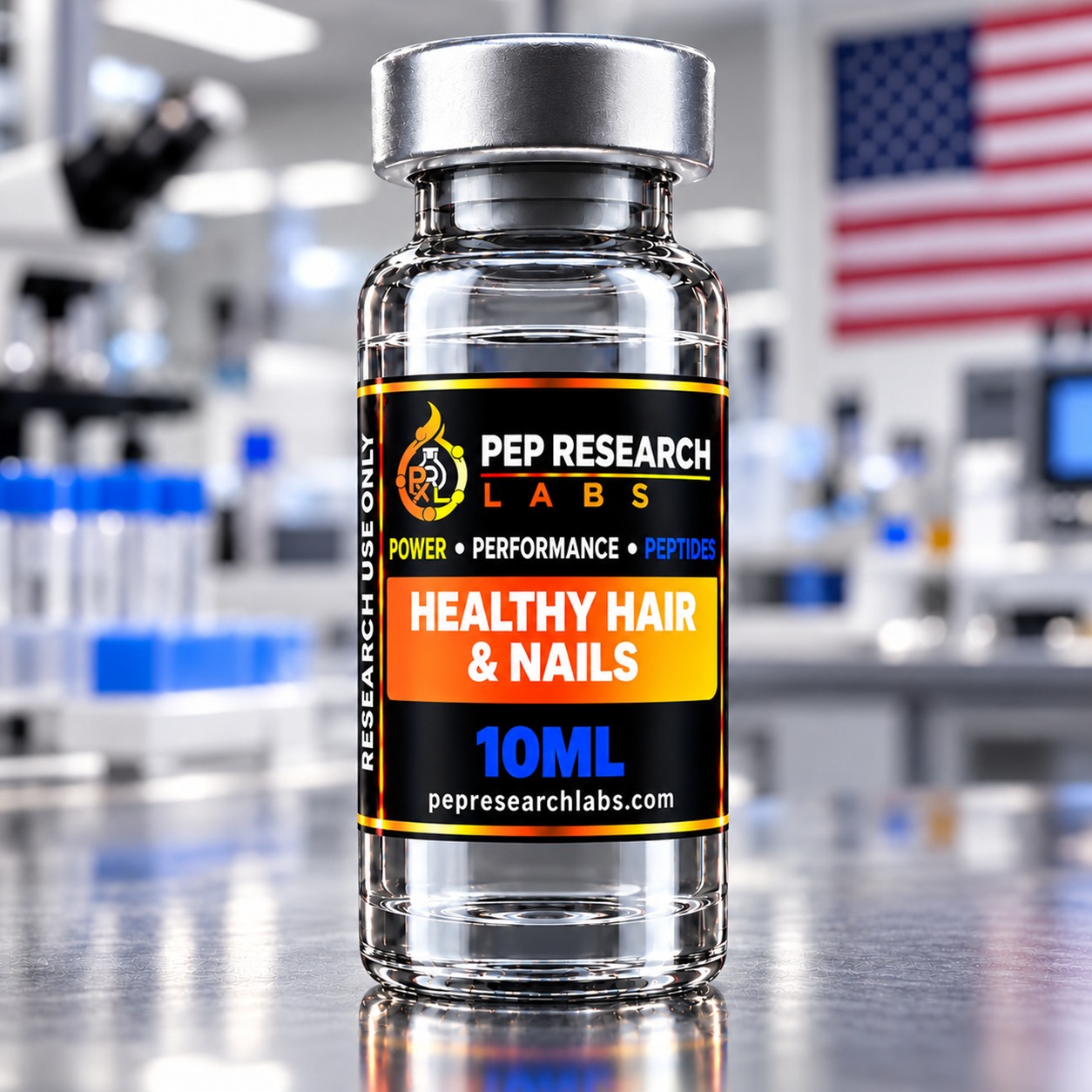
Healthy Hair & Nails
Healthy Hair, Skin & Nails Blend Healthy Hair, Skin & Nails Blend is a specialized research formulation combining B vitamins and vitamin-like nutrients selected for laboratory studies involving cellular metabolism, keratin production, connective-tissue biology and nutrient-dependent pathways associated with hair, skin and nail structure. The formulation includes biotin, folic acid and multiple forms of vitamin B3 alongside thiamine and pantothenic acid. Choline and inositol provide additional research value for studies involving cellular membranes, lipid metabolism and intracellular signaling. Research Focus Areas Hair-follicle and keratin biology Skin-cell metabolism and barrier-function pathways Nail structure and keratinization Connective-tissue and cellular-repair mechanisms Nutrient-dependent energy metabolism Lipid metabolism and cell-membrane function Oxidative-stress and cellular-aging pathways Formulation Niacinamide — 50 mg Thiamine HCl — 50 mg Pantothenic Acid — 25 mg Choline — 10 mg Inositol — 10 mg Niacin — 5 mg Biotin — 100 mcg Folic Acid — 100 mcg Total listed active ingredients — 150.2 mg Storage Store according to the conditions shown on the product label. Protect from excessive heat, direct sunlight and contamination. Keep securely out of reach of children and animals. For laboratory research and educational purposes only. Not for human or veterinary use. This product is not intended to diagnose, treat, cure or prevent any disease.
Per 10 mL vial / container · Sampled retail prices, Oct 1, 2026
$7.50 below comparison price
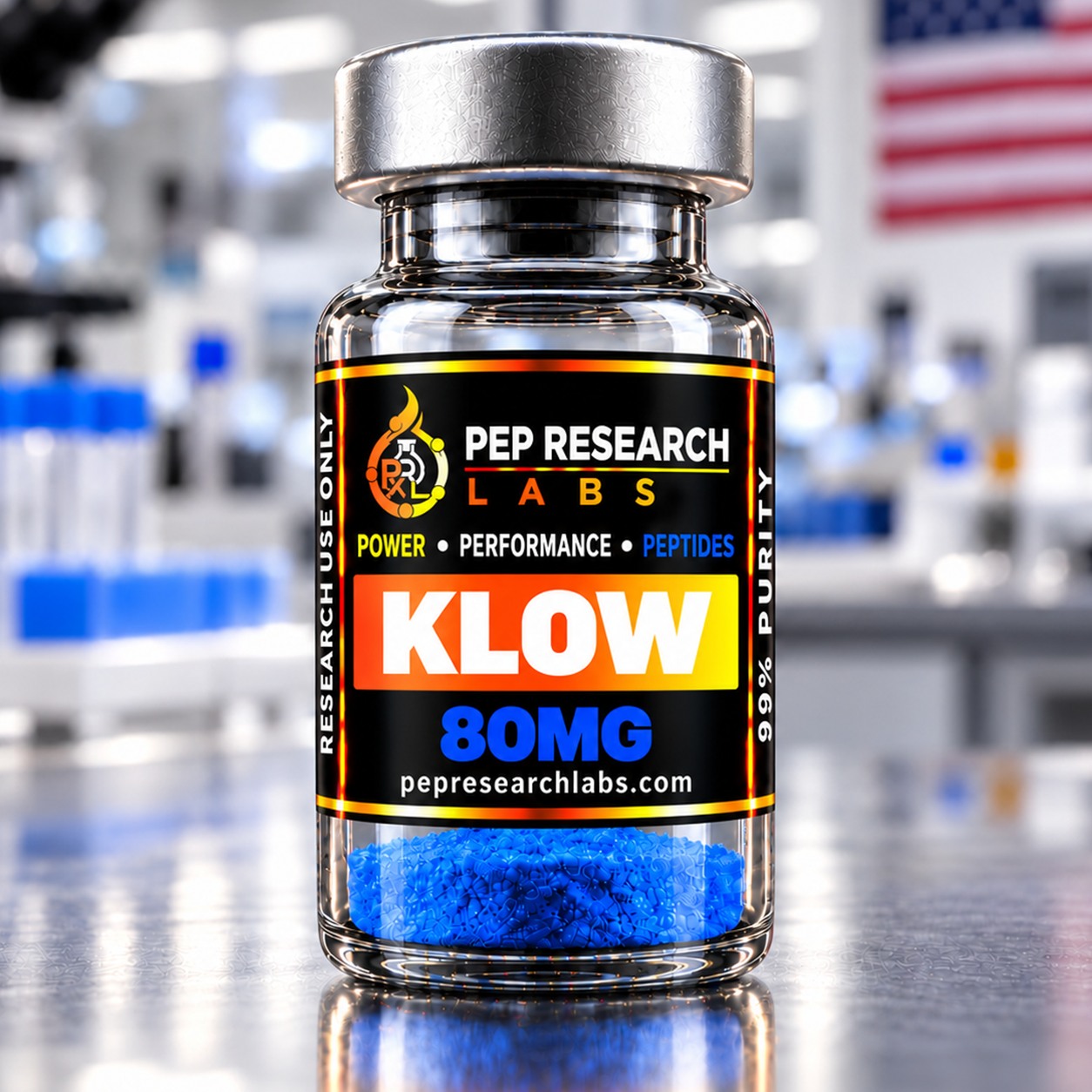
KLOW (CU50 + TB10 + BC10 + KPV10)
KLOW — Research Use Only KLOW is a four-compound research blend containing GHK-Cu, BPC-157, TB-500, and KPV. The formulation combines research materials investigated in laboratory models involving extracellular-matrix remodeling, cellular migration, angiogenesis, collagen signaling, inflammatory pathways, gastrointestinal biology, and tissue-repair mechanisms. Each component has a distinct experimental profile. GHK-Cu is a copper-binding tripeptide studied in collagen and skin-biology models. BPC-157 is a synthetic pentadecapeptide investigated primarily in preclinical tissue-repair and vascular-signaling research. TB-500 is a thymosin-beta-4-related research peptide examined in actin regulation and cell migration. KPV is a melanocortin-derived tripeptide studied in inflammatory-signaling and intestinal-cell models. Product Information Product: KLOW Total content: 80 mg GHK-Cu: 50 mg BPC-157: 10 mg TB-500: 10 mg KPV: 10 mg Compound type: Multi-peptide research blend Research class: Tissue-remodeling and inflammatory-signaling blend Form: Lyophilized research material Purity: Refer to the lot-specific Certificate of Analysis Testing: Identity and purity documentation available by lot Storage: Store according to the conditions printed on the product label and Certificate of Analysis Research Applications KLOW may be used in qualified laboratory investigations involving: Collagen and elastin-associated pathways Extracellular-matrix organization and remodeling Fibroblast, keratinocyte, and endothelial-cell activity Cellular migration and actin regulation Angiogenesis and vascular-signaling models Inflammatory cytokine signaling NF-κB and MAP-kinase-associated pathways Gastrointestinal and intestinal-epithelial-cell models PepT1-mediated peptide-transport research Skin and connective-tissue biology Oxidative-stress and cellular-repair mechanisms Copper-dependent enzyme activity Multi-compound interaction and pathway research Because KLOW combines four research compounds, findings involving the complete blend should not be assumed to equal findings reported for its individual components. Important Notice For research use only. Not for human or veterinary use. This product is supplied exclusively for controlled laboratory research by qualified professionals. It is not intended for diagnosis, treatment, prevention, personal administration, pharmacy compounding, cosmetic treatment, wound care, gastrointestinal treatment, injury recovery, or any other clinical purpose. No dosing, reconstitution, administration, cycling, injury-recovery, skin-care, gastrointestinal, or therapeutic guidance is provided or implied. Researchers are responsible for appropriate handling and compliance with all applicable requirements.
Per 80 mg vial / container · Sampled retail prices, Oct 1, 2026
$22.12 below comparison price
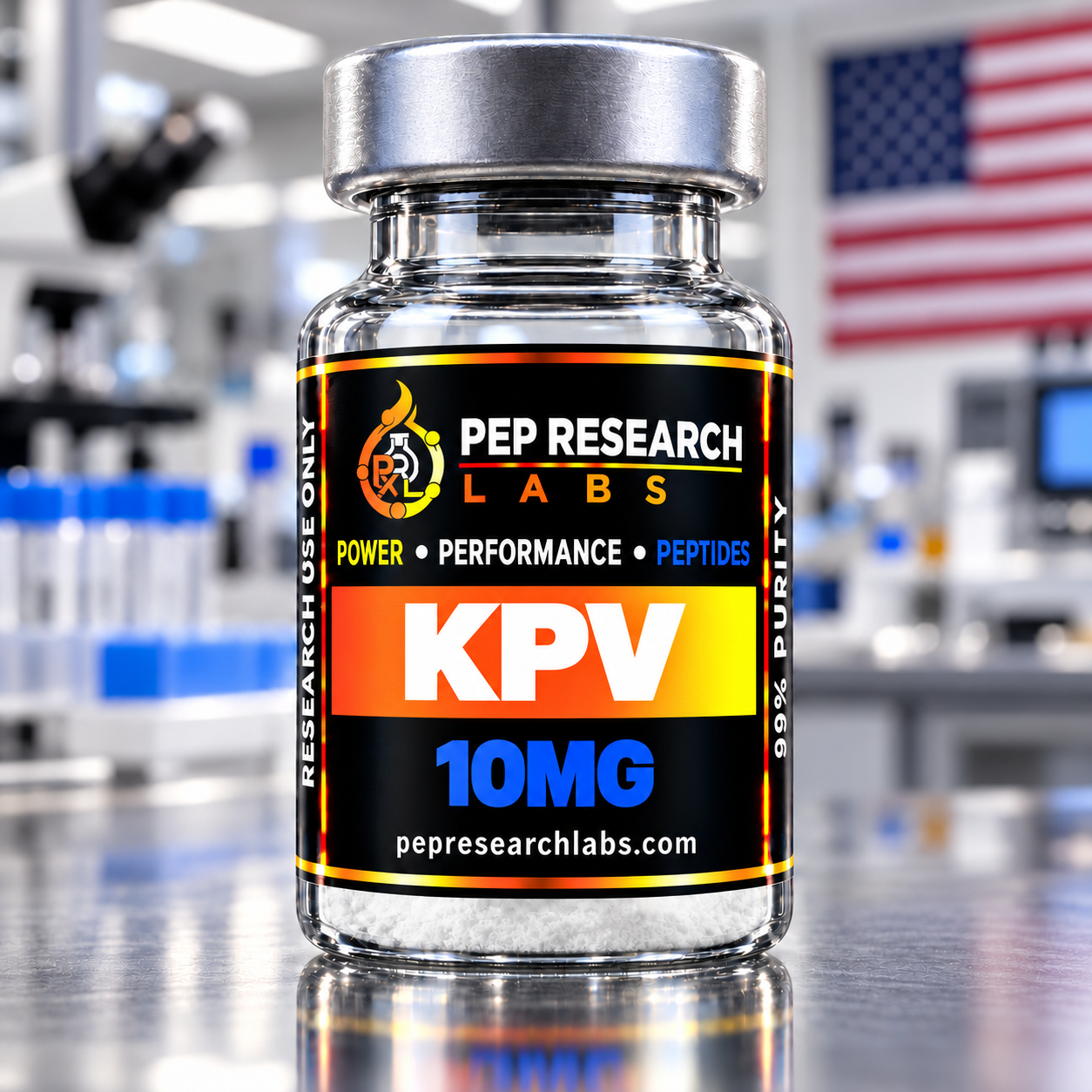
KPV
KPV — Research Use Only KPV is a synthetic tripeptide composed of lysine, proline, and valine. It represents the C-terminal amino-acid sequence of alpha-melanocyte-stimulating hormone, commonly written as α-MSH(11–13). Laboratory and preclinical research has examined KPV in experimental models involving inflammatory signaling, immune-cell activity, intestinal epithelial transport, barrier-function pathways, cytokine regulation, and antimicrobial responses. Most available evidence comes from cell, tissue, and animal studies and should not be interpreted as proof of safety or therapeutic efficacy in humans. Product Information Product: KPV Full name: Lysine–Proline–Valine Compound type: Synthetic tripeptide Sequence: Lys–Pro–Val Form: Lyophilized research material Purity: Refer to the product-specific Certificate of Analysis Testing: Independently tested for identity and purity Storage: Store according to the supplied handling documentation Research Applications KPV is commonly investigated in connection with: Inflammatory-signaling pathways Cytokine-expression models Immune-cell response and regulation Intestinal epithelial transport Gastrointestinal barrier-function research Host-defense and antimicrobial activity Cellular migration and tissue-response models Comparative melanocortin-fragment research Important Notice This product is sold exclusively for laboratory research and analytical purposes. It is not a drug, dietary supplement, food, cosmetic, or medical product. FOR RESEARCH PURPOSES ONLY. NOT FOR HUMAN OR VETERINARY USE. NOT FOR HUMAN CONSUMPTION. This product is not intended to diagnose, treat, cure, mitigate, or prevent any disease. No dosing, administration, gastrointestinal, antimicrobial, anti-inflammatory, or therapeutic guidance is provided. Purchasers are responsible for ensuring that possession, handling, and research activities comply with all applicable laws, regulations, and institutional requirements.
Per 10 mg vial / container · Sampled retail prices, Oct 1, 2026
$9.00 below comparison price
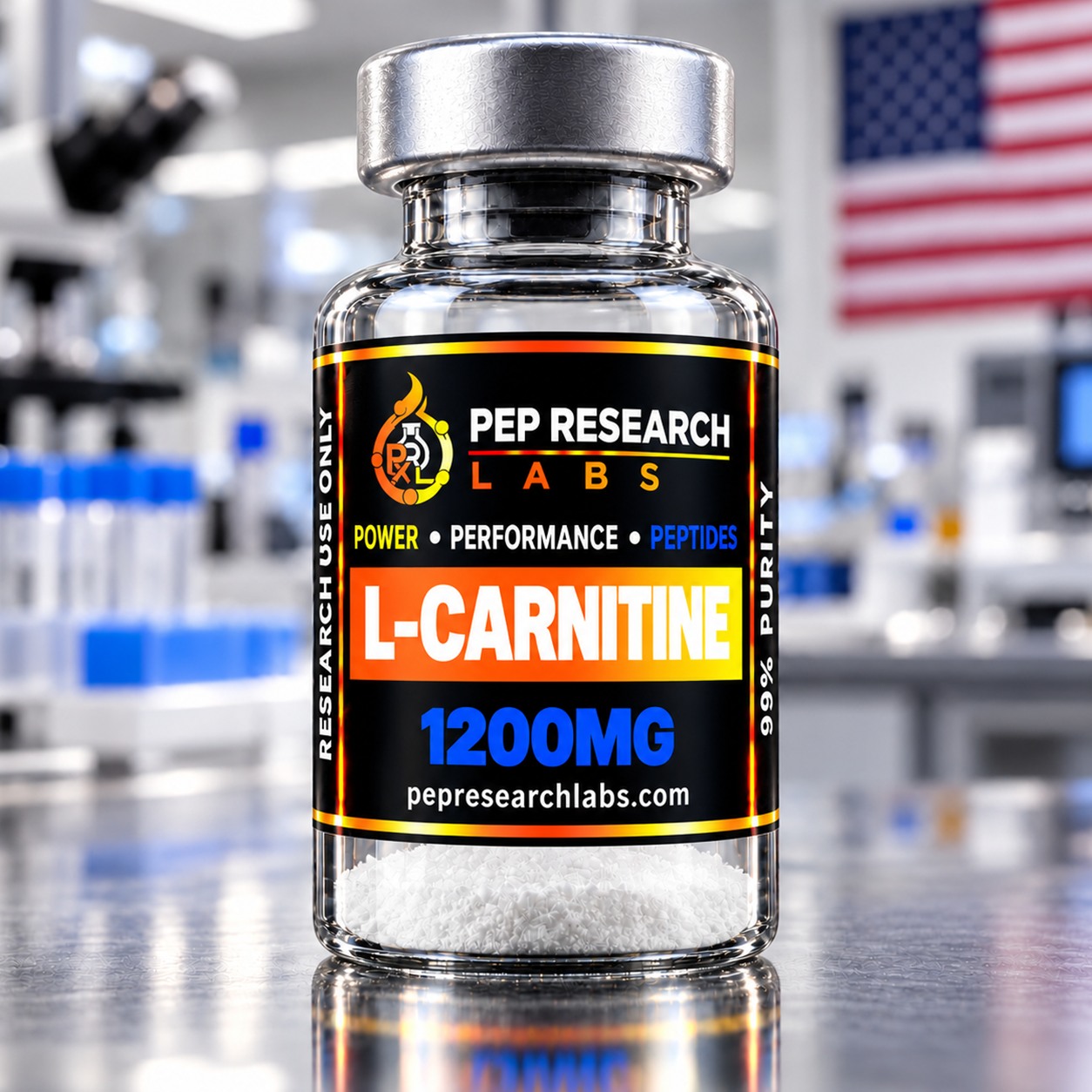
L-Carnitine
L-Carnitine — Research Use Only L-Carnitine is a naturally occurring amino-acid derivative, also known as levocarnitine. It participates in the transport of long-chain fatty-acid groups into mitochondria, where they undergo beta-oxidation as part of cellular energy metabolism. L-Carnitine is not a peptide. Laboratory and preclinical research has examined L-Carnitine in experimental models involving mitochondrial function, fatty-acid transport, cellular energy production, acyl-group metabolism, and metabolic responses to cellular stress. Findings from these studies do not establish the safety or therapeutic efficacy of this research-use product in humans. Product Information Product: L-Carnitine Alternative name: Levocarnitine Compound type: Amino-acid derivative Form: Refer to the product-specific specifications Purity: Refer to the product-specific Certificate of Analysis Testing: Refer to the product-specific Certificate of Analysis for documented testing methods and results Storage: Store according to the supplied handling documentation Research Applications L-Carnitine is commonly investigated in connection with: Mitochondrial fatty-acid transport Fatty-acid beta-oxidation Cellular energy metabolism Carnitine-shuttle function Acylcarnitine formation and metabolism Acyl-CoA and free coenzyme A balance Cellular responses to metabolic stress Comparative studies of carnitine and its derivatives Important Notice This product is sold exclusively for laboratory research and analytical purposes. It is not a drug, dietary supplement, food, cosmetic, or medical product. FOR RESEARCH PURPOSES ONLY. NOT FOR HUMAN OR VETERINARY USE. NOT FOR HUMAN CONSUMPTION. This product is not intended to diagnose, treat, cure, mitigate, or prevent any disease. No dosing, administration, weight-management, athletic-performance, or therapeutic guidance is provided. Purchasers are responsible for ensuring that possession, handling, and research activities comply with all applicable laws, regulations, and institutional requirements.
Per 10mL vial / container · Store-provided comparison price
$7.20 below comparison price
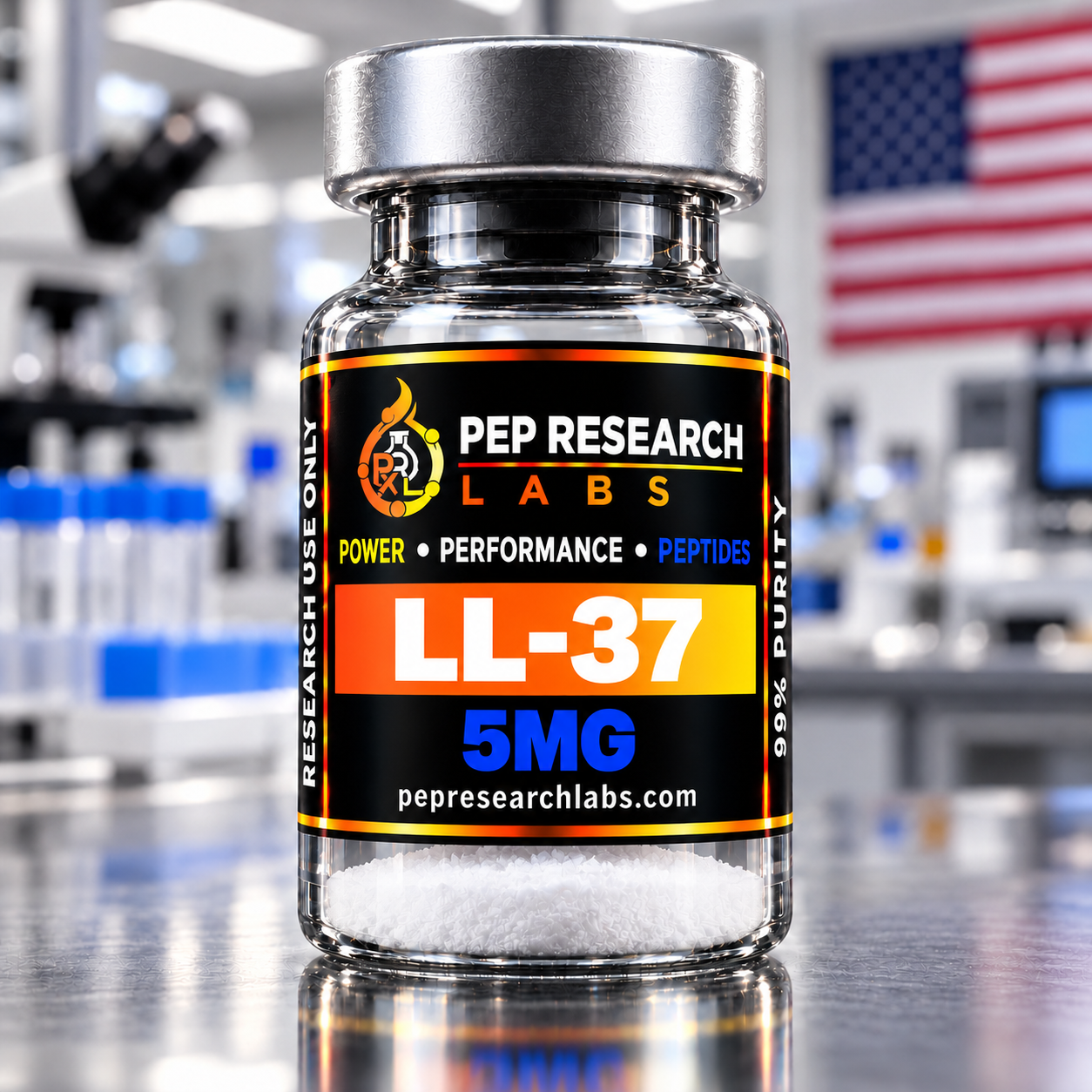
LL-37
LL-37 — Research Use Only LL-37 is a 37-amino-acid peptide released from the C-terminus of hCAP18, the only human cathelicidin, encoded by the CAMP gene. It is studied as a cationic, amphipathic host-defense peptide that adopts an alpha-helical structure in membrane-like environments. Laboratory and preclinical research has examined LL-37 in experimental models involving antimicrobial membrane interaction, lipopolysaccharide binding, innate-immune and inflammatory signaling, formyl-peptide-receptor activity, epithelial-barrier biology, and wound-repair pathways. Most available findings come from cell and animal studies and should not be interpreted as established human safety or therapeutic efficacy. Product Information Product: LL-37 Full name: Human cathelicidin antimicrobial peptide LL-37 Total content: 5 mg Compound type: Host-defense (antimicrobial) peptide Length: 37 amino acids Form: Lyophilized research material Purity: Refer to the product-specific Certificate of Analysis Storage: Store according to the supplied handling documentation Research Applications LL-37 is commonly investigated in connection with: Antimicrobial peptide and membrane-interaction models Lipopolysaccharide-binding assays Innate-immune and inflammatory signaling Formyl-peptide-receptor (FPR2) pharmacology Epithelial-barrier biology Wound-repair and cell-migration pathways Important Notice This product is sold exclusively for laboratory research and analytical purposes. It is not a drug, dietary supplement, food, cosmetic, or medical product. FOR RESEARCH PURPOSES ONLY. NOT FOR HUMAN OR VETERINARY USE. NOT FOR HUMAN CONSUMPTION. This product is not intended to diagnose, treat, cure, mitigate, or prevent any disease. No dosing, administration, infection, wound-care, immune, or therapeutic guidance is provided. Purchasers are responsible for ensuring that possession, handling, and research activities comply with all applicable laws, regulations, and institutional requirements.
Per 5 mg vial / container · 2 sampled retailers, Oct 8, 2026
$4.10 below comparison price
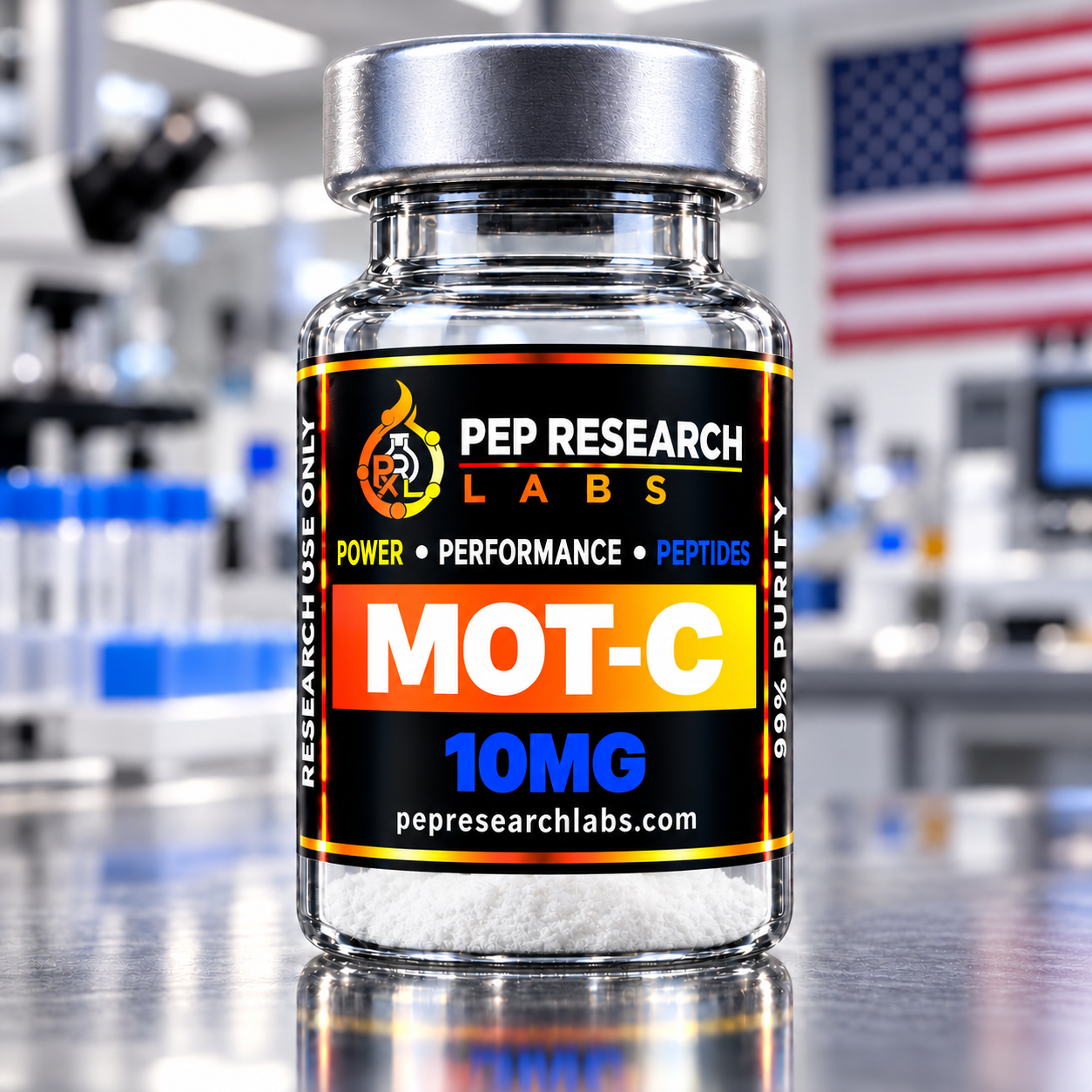
MOTS-C
MOTS-c — Research Use Only MOTS-c is a 16-amino-acid, mitochondrial-derived peptide encoded within the mitochondrial 12S ribosomal RNA region. It is studied as a signaling molecule involved in communication between mitochondria and the nucleus during metabolic and cellular stress. Laboratory and preclinical research has examined MOTS-c in experimental models involving AMPK signaling, glucose utilization, mitochondrial homeostasis, metabolic adaptation, skeletal-muscle biology, oxidative-stress responses, and nuclear gene expression. Most available findings come from cell and animal studies and should not be interpreted as established human safety or therapeutic efficacy. Product Information Product: MOTS-c Full name: Mitochondrial Open Reading Frame of the 12S rRNA-c Compound type: Mitochondrial-derived peptide Length: 16 amino acids Form: Lyophilized research material Purity: Refer to the product-specific Certificate of Analysis Testing: Independently tested for identity and purity Storage: Store according to the supplied handling documentation Research Applications MOTS-c is commonly investigated in connection with: Mitochondrial-to-nuclear communication AMPK-dependent signaling Cellular glucose utilization Metabolic-homeostasis models Mitochondrial function and energy regulation Skeletal-muscle metabolic pathways Oxidative-stress and cellular-adaptation responses Nuclear gene-expression changes during metabolic stress Important Notice This product is sold exclusively for laboratory research and analytical purposes. It is not a drug, dietary supplement, food, cosmetic, or medical product. FOR RESEARCH PURPOSES ONLY. NOT FOR HUMAN OR VETERINARY USE. NOT FOR HUMAN CONSUMPTION. This product is not intended to diagnose, treat, cure, mitigate, or prevent any disease. No dosing, administration, weight-loss, exercise-performance, longevity, metabolic, or therapeutic guidance is provided. Purchasers are responsible for ensuring that possession, handling, and research activities comply with all applicable laws, regulations, and institutional requirements.
Per 10 mg vial / container · 2 sampled retailers, Oct 8, 2026
$5.69 below comparison price
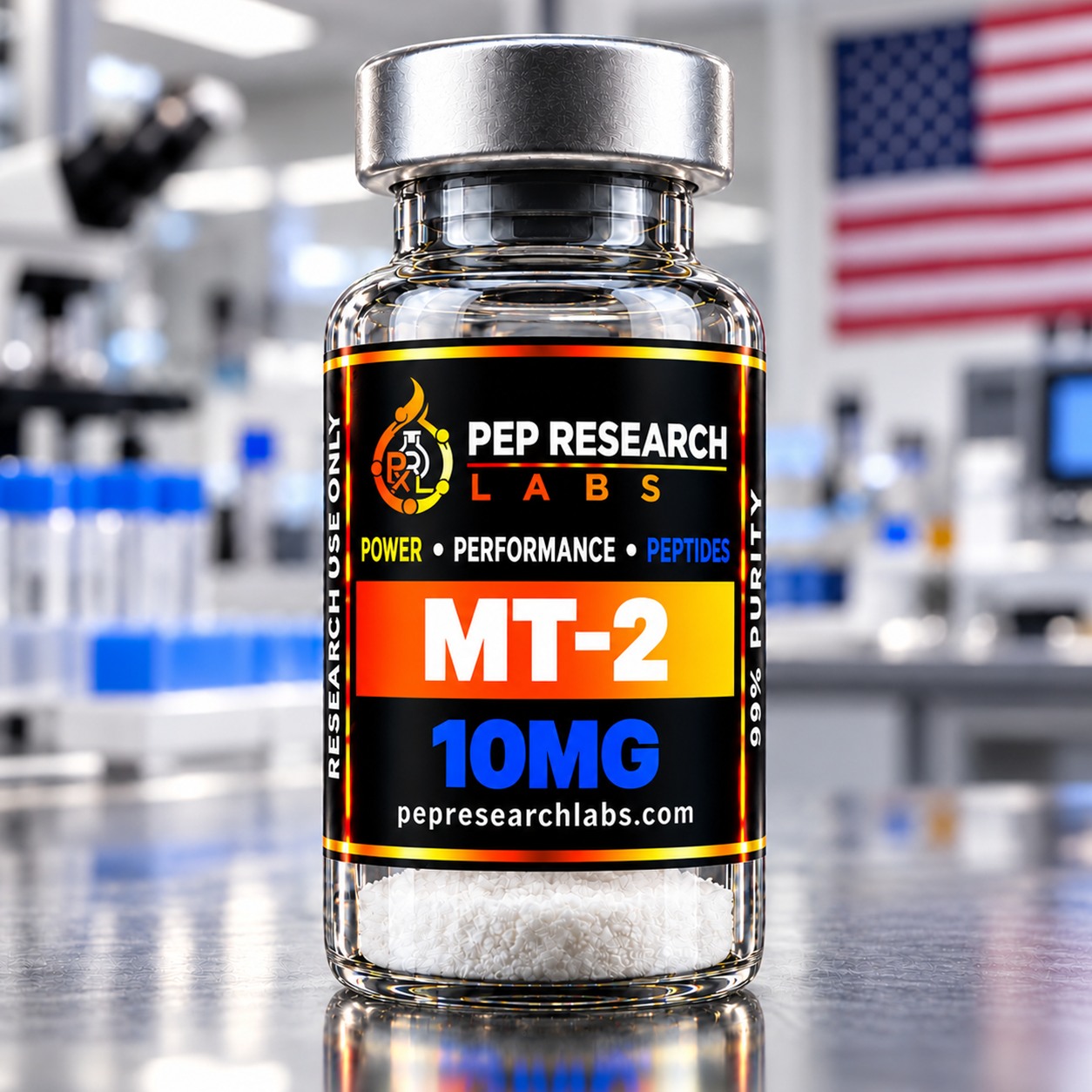
MT-2 (Melanotan 2 Acetate)
MT-2 — Research Use Only MT-2, also known as Melanotan II, is a synthetic cyclic heptapeptide analog of alpha-melanocyte-stimulating hormone. It functions as a nonselective melanocortin-receptor agonist and is used in laboratory research involving pigmentation biology, melanocortin signaling, energy-homeostasis pathways, appetite regulation, and neurobehavioral responses. MT-2 interacts with several melanocortin receptors, including MC1R, MC3R, MC4R, and MC5R. It is an experimental compound and is not an FDA-approved drug, tanning product, cosmetic ingredient, or dietary supplement. Product Information Product: MT-2 Also known as: Melanotan II Total content: 10 mg Compound type: Synthetic cyclic peptide Peptide length: 7 amino acids Research class: Nonselective melanocortin-receptor agonist Form: Lyophilized research material Purity: Refer to the lot-specific Certificate of Analysis Storage: Store according to the conditions printed on the product label and Certificate of Analysis Research Applications MT-2 may be used in qualified laboratory investigations involving: Melanocortin-receptor pharmacology MC1R-mediated melanogenesis Melanin-production and pigmentation models Melanocyte signaling and cellular responses MC3R- and MC4R-associated pathways Appetite and energy-homeostasis signaling Hypothalamic melanocortin pathways Feeding-behavior models Neurobehavioral and autonomic responses Sexual-behavior signaling pathways Receptor selectivity and binding studies Comparative alpha-MSH analog research Cyclic-peptide structure-activity relationships Important Notice For research use only. Not for human or veterinary use. This product is supplied exclusively for controlled laboratory research by qualified professionals. It is not intended for diagnosis, treatment, prevention, personal administration, pharmacy compounding, tanning, pigmentation enhancement, sexual-function enhancement, weight management, cosmetic use, or any other clinical purpose. No dosing, reconstitution, administration, tanning, appetite, sexual-function, or therapeutic guidance is provided or implied. Researchers are responsible for appropriate handling and compliance with all applicable requirements.
Per 10 mg vial / container · 2 sampled retailers, Oct 8, 2026
$3.02 below comparison price
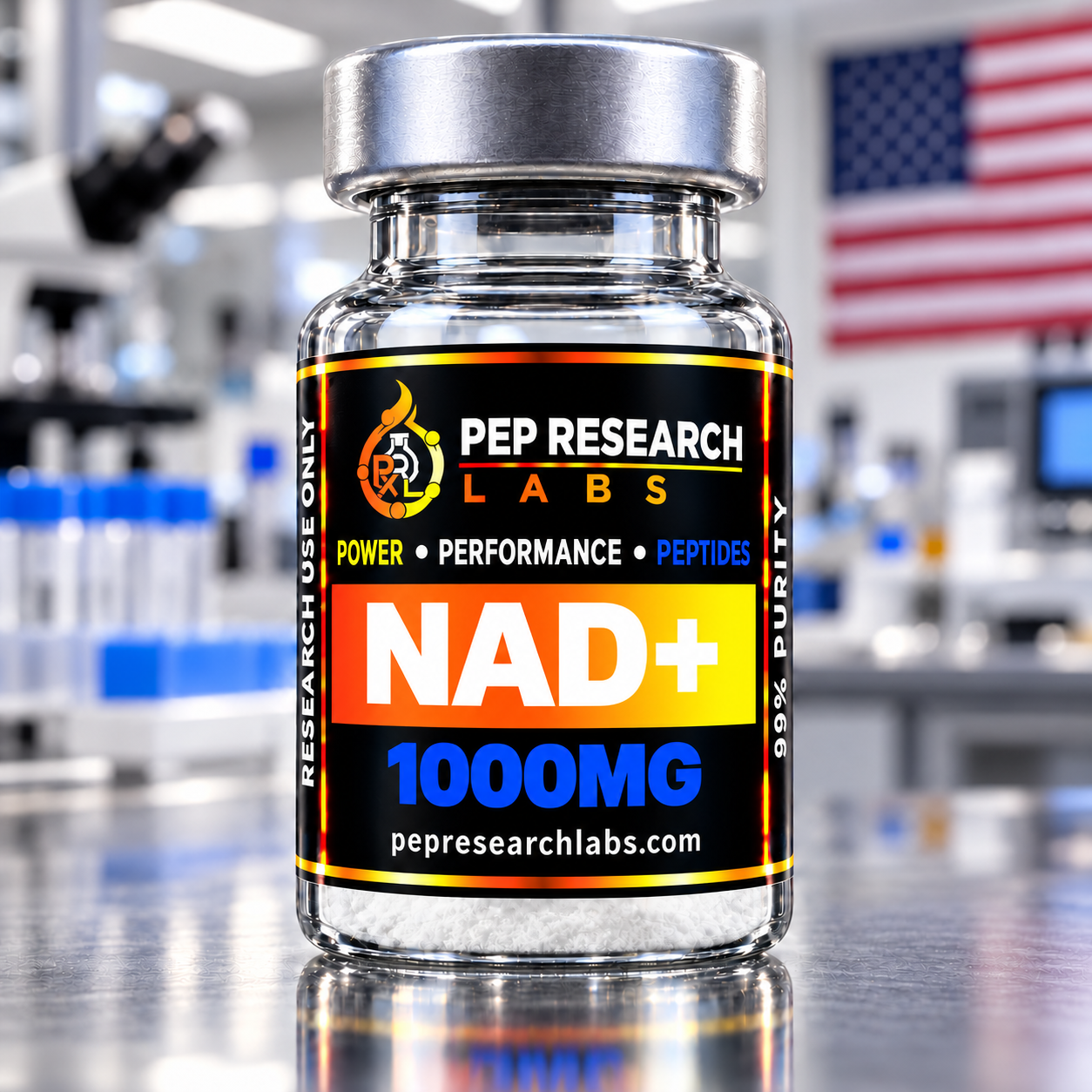
NAD+
NAD+ — Research Use Only NAD+, or nicotinamide adenine dinucleotide, is an essential cellular coenzyme involved in oxidation-reduction reactions and energy metabolism. It is not a peptide. NAD+ cycles between its oxidized and reduced forms, NAD+ and NADH, allowing it to transport electrons throughout numerous metabolic pathways. NAD+ is used in qualified research settings to examine mitochondrial function, cellular energetics, redox balance, DNA-repair signaling, metabolic regulation, and the activity of NAD+-dependent enzymes such as sirtuins, PARPs, and CD38. Product Information Product: NAD+ Full name: Nicotinamide adenine dinucleotide Total content: 1,000 mg Compound type: Nucleotide-derived cellular coenzyme Research class: Redox and metabolic-signaling cofactor Form: Lyophilized research material Purity: Refer to the lot-specific Certificate of Analysis Storage: Store according to the conditions printed on the product label and Certificate of Analysis Research Applications NAD+ may be used in qualified laboratory investigations involving: Cellular oxidation-reduction reactions NAD+/NADH balance Mitochondrial energy metabolism Glycolysis and citric-acid-cycle pathways Oxidative phosphorylation Sirtuin-dependent signaling PARP-associated DNA-repair mechanisms CD38-mediated NAD+ metabolism Cellular stress-response pathways Metabolic homeostasis Circadian and epigenetic regulation Mitochondrial function and biogenesis Cellular senescence and aging-related models Comparative NAD+-metabolism research Important Notice For research use only. Not for human or veterinary use. This product is supplied exclusively for controlled laboratory research by qualified professionals. It is not intended for diagnosis, treatment, prevention, personal administration, pharmacy compounding, infusion, supplementation, energy enhancement, anti-aging use, or any other clinical purpose. No dosing, reconstitution, administration, infusion, longevity, energy, wellness, or therapeutic guidance is provided or implied. Researchers are responsible for appropriate handling and compliance with all applicable requirements.
Per 1000 mg vial / container · 2 sampled retailers, Oct 8, 2026
$8.91 below comparison price
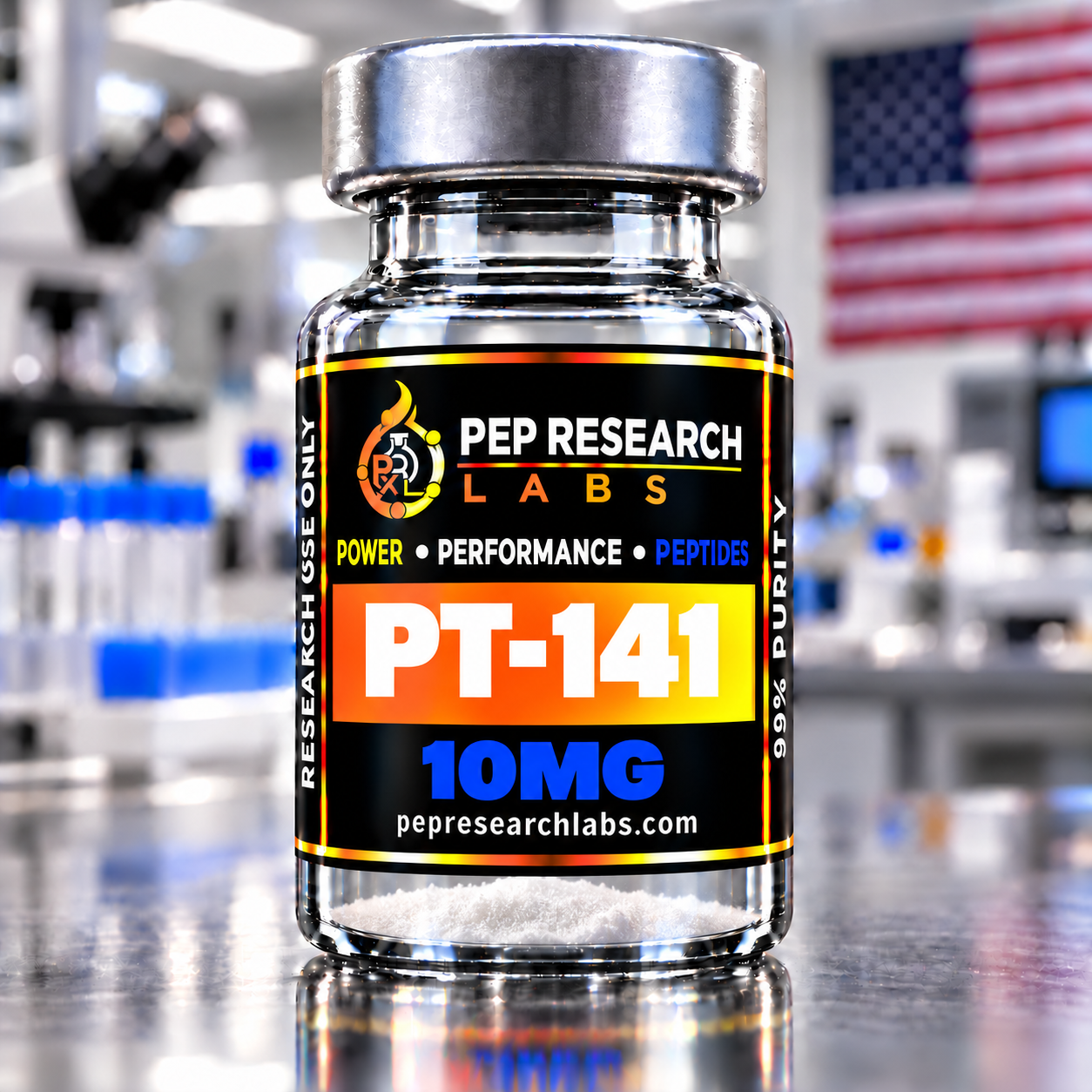
PT-141 (Bremelanotide)
PT-141 PT-141, also known as bremelanotide, is a synthetic cyclic heptapeptide and melanocortin-receptor agonist. It is an analog of alpha-melanocyte-stimulating hormone and is used in laboratory research involving central melanocortin signaling, hypothalamic pathways, neurobehavioral responses, and melanocortin-receptor pharmacology. PT-141 interacts primarily with melanocortin receptors such as MC3R and MC4R. Although bremelanotide is the active ingredient in an FDA-approved prescription product, this research material is not an approved pharmaceutical formulation and must not be represented or used as one. Product Information Product: PT-141 Also known as: Bremelanotide Total content: 10 mg Compound type: Synthetic cyclic peptide Peptide length: 7 amino acids Research class: Melanocortin-receptor agonist Form: Lyophilized research material Purity: Refer to the lot-specific Certificate of Analysis Testing: Identity and purity documentation available by lot Storage: Store according to the conditions printed on the product label and Certificate of Analysis Research Applications PT-141 may be used in qualified laboratory investigations involving: MC3R- and MC4R-associated signaling Melanocortin-receptor pharmacology Hypothalamic neuronal activation Central nervous system signaling Dopaminergic and neurobehavioral pathways Sexual-behavior research models Autonomic nervous-system responses Receptor-binding and selectivity studies Alpha-MSH analog research Cyclic-peptide structure-activity relationships Comparative melanocortin-agonist studies Neuroendocrine signaling mechanisms Important Notice For research use only. Not for human or veterinary use. This product is supplied exclusively for controlled laboratory research by qualified professionals. It is not Vyleesi or any other FDA-approved pharmaceutical product. It is not intended for diagnosis, treatment, prevention, personal administration, pharmacy compounding, sexual-function enhancement, or any other clinical purpose. No dosing, reconstitution, administration, sexual-function, reproductive-health, or therapeutic guidance is provided or implied. Researchers are responsible for appropriate handling and compliance with all applicable requirements.
Per 10 mg vial / container · 2 sampled retailers, Oct 8, 2026
$12.91 below comparison price
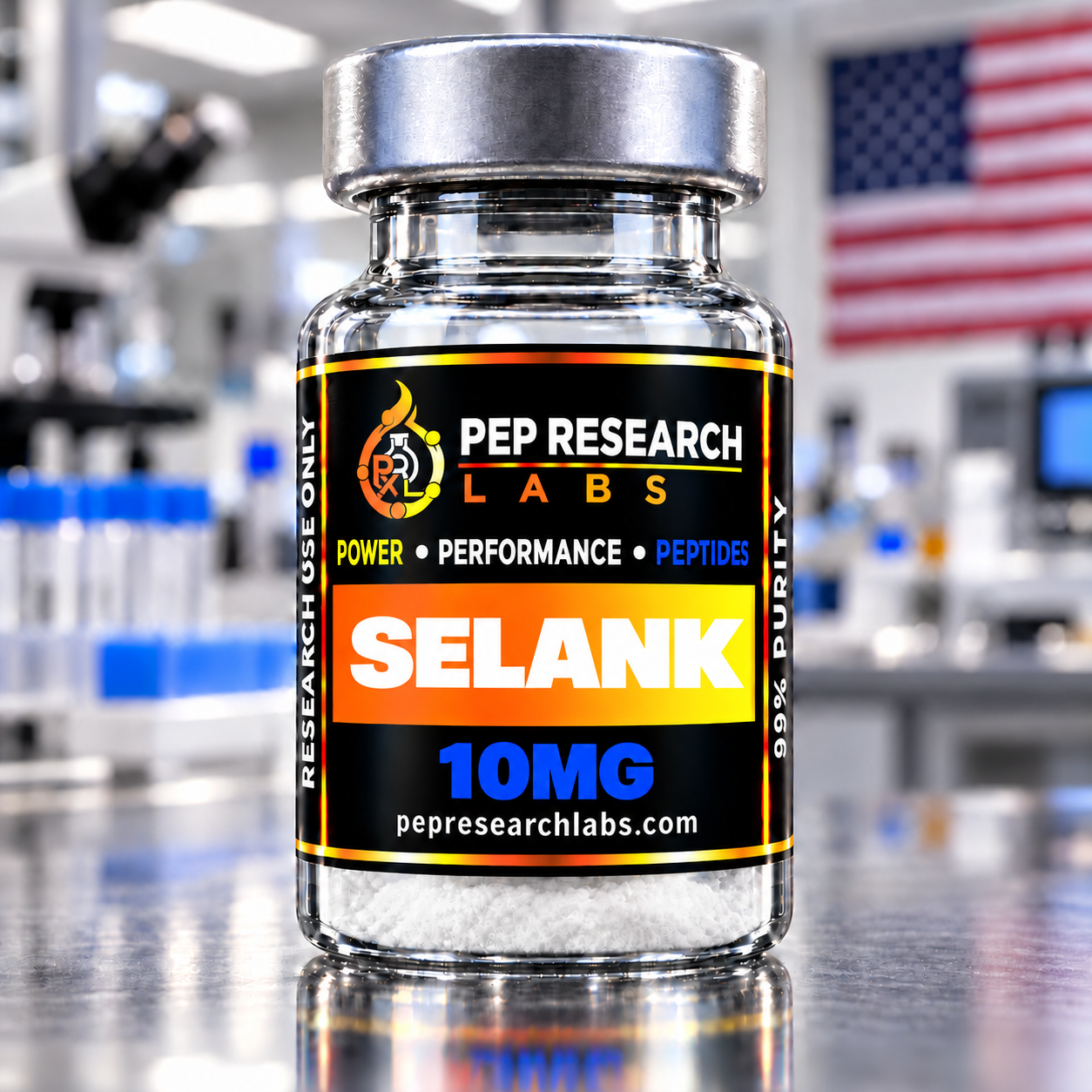
Selank
Selank — Research Use Only Selank is a synthetic heptapeptide analogue of tuftsin, an endogenous peptide involved in immune signaling. Its amino-acid sequence is Thr–Lys–Pro–Arg–Pro–Gly–Pro. Laboratory and preclinical research has examined Selank in experimental models involving neurotransmission, GABAergic signaling, gene expression, neuroplasticity-associated pathways, stress-response biology, memory models, and immune-cell regulation. Findings remain investigational and should not be interpreted as established cognitive, mood, or therapeutic outcomes in humans. Product Information Product: Selank Compound type: Synthetic tuftsin-related heptapeptide Sequence: Thr–Lys–Pro–Arg–Pro–Gly–Pro Form: Lyophilized research material Purity: Refer to the product-specific Certificate of Analysis Testing: Independently tested for identity and purity Storage: Store according to the supplied handling documentation Research Applications Selank is commonly investigated in connection with: GABAergic and neurotransmitter signaling Neuronal gene-expression changes Neuroplasticity-associated pathways Cellular stress-response models Learning and memory research Neurotrophic-factor signaling Immune and cytokine-response pathways Comparative tuftsin-analogue research Important Notice This product is sold exclusively for laboratory research and analytical purposes. It is not a drug, dietary supplement, food, cosmetic, or medical product. FOR RESEARCH PURPOSES ONLY. NOT FOR HUMAN OR VETERINARY USE. NOT FOR HUMAN CONSUMPTION. This product is not intended to diagnose, treat, cure, mitigate, or prevent any disease. No dosing, administration, cognitive-enhancement, anxiety, mood, or therapeutic guidance is provided. Purchasers are responsible for ensuring that possession, handling, and research activities comply with all applicable laws, regulations, and institutional requirements.
Per 10 mg vial / container · 3 sampled retailers, Oct 7, 2026
$6.70 below comparison price
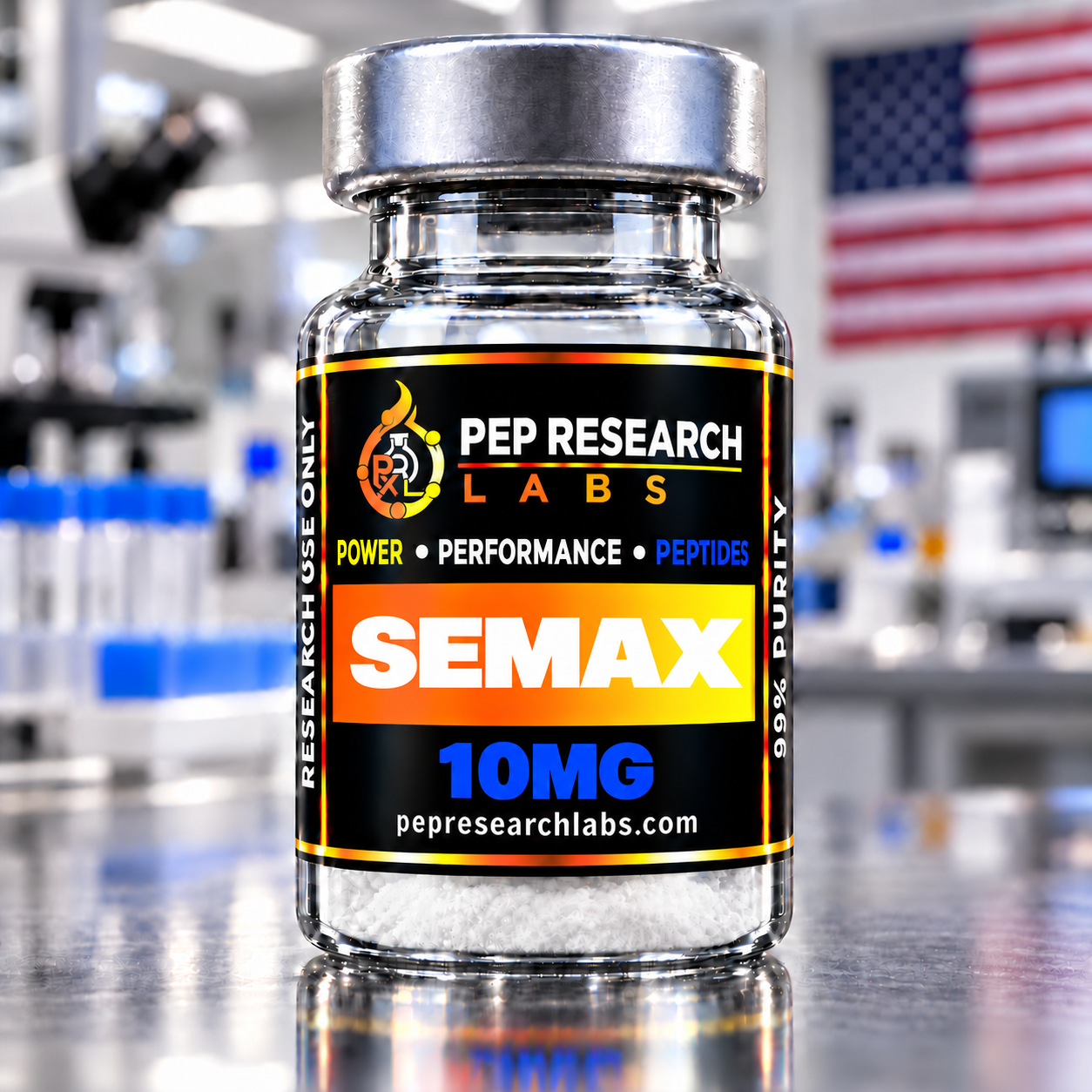
Semax
Semax — Research Use Only Semax is a synthetic heptapeptide derived from the ACTH(4–7) fragment and extended with the tripeptide Pro–Gly–Pro. Its amino-acid sequence is Met–Glu–His–Phe–Pro–Gly–Pro. Semax is investigated as a laboratory research tool in studies involving neurotrophic signaling, neuronal gene expression, synaptic plasticity, and cellular responses to neurological stress. Preclinical studies have examined its interaction with pathways involving brain-derived neurotrophic factor (BDNF), TrkB signaling, and gene-expression changes in experimental models. These findings remain investigational and should not be interpreted as evidence of clinical effectiveness. Product Information Product: Semax Compound type: Synthetic heptapeptide Sequence: Met–Glu–His–Phe–Pro–Gly–Pro Research designation: ACTH(4–7)–Pro–Gly–Pro Form: Lyophilized research material Purity: Refer to the lot-specific Certificate of Analysis Testing: Identity and purity documentation available by lot Storage: Store according to the handling conditions printed on the product label and Certificate of Analysis Research Applications Semax may be used in qualified laboratory investigations involving: Neurotrophic-factor and BDNF/TrkB signaling Neuronal gene-expression pathways Synaptic plasticity and neural signaling Cellular responses to oxidative or metabolic stress Experimental ischemia and hypoxia models Learning and memory models Comparative research involving ACTH-derived peptide fragments Important Notice For research use only. Not for human or veterinary use. This material is offered exclusively for controlled laboratory research by qualified professionals. It is not a drug, dietary supplement, cosmetic, or medical treatment. It has not been approved by the U.S. Food and Drug Administration to diagnose, treat, cure, or prevent any disease. No dosing, administration, cognitive-enhancement, neuroprotective, or therapeutic guidance is provided or implied. Researchers are responsible for ensuring compliance with all applicable institutional, local, state, and federal requirements.
Per 11 mg vial / container · Sampled retail prices, Oct 1, 2026
$9.07 below comparison price
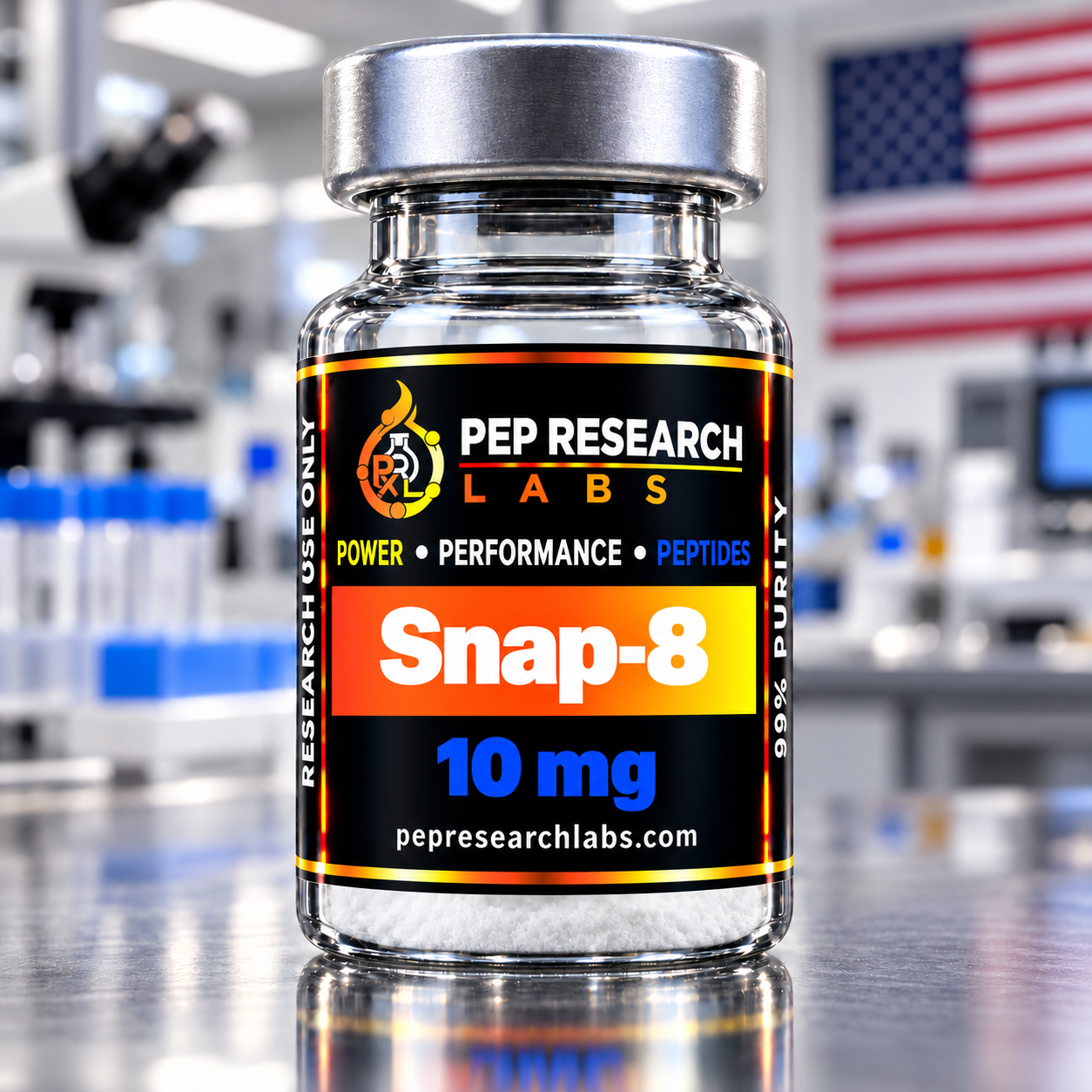
Snap-8
SNAP-8 — Research Use Only SNAP-8, also known as Acetyl Octapeptide-3, is a synthetic eight-amino-acid peptide developed for laboratory and cosmetic-formulation research. It was designed to model a portion of SNAP-25, a protein involved in SNARE-complex formation, vesicle fusion, and cellular signaling. Researchers study SNAP-8 in experimental models involving peptide–protein interactions, cosmetic formulation stability, skin delivery, and the molecular pathways associated with facial-expression lines. Evidence specifically supporting SNAP-8 remains limited, and proposed cosmetic effects should not be interpreted as established clinical outcomes. Product Information Product: SNAP-8 Alternative name: Acetyl Octapeptide-3 Compound type: Synthetic acetylated octapeptide Sequence: Ac–Glu–Glu–Met–Gln–Arg–Arg–Ala–Asp–NH₂ Molecular formula: C₄₂H₇₂N₁₆O₁₅S Molecular weight: Approximately 1,073.2 g/mol Form: Lyophilized research material Purity: Refer to the lot-specific Certificate of Analysis Testing: Identity and purity documentation available by lot Storage: Store according to the conditions stated on the product label and Certificate of Analysis Research Applications SNAP-8 may be used in qualified laboratory investigations involving: SNARE-complex assembly and signaling models SNAP-25-related peptide interactions Vesicle-fusion and exocytosis pathways Cosmetic peptide formulation development Peptide stability and compatibility testing Skin-barrier and topical-delivery models In-vitro appearance-of-expression-line research Comparative studies of acetylated cosmetic peptides Important Notice For research use only. Not for human or veterinary use. This material is supplied exclusively for controlled laboratory and formulation research by qualified professionals. It is not a drug, injectable product, dietary supplement, or finished cosmetic. It has not been approved by the U.S. Food and Drug Administration to diagnose, treat, cure, or prevent any disease. No directions for injection, personal administration, therapeutic use, or treatment of any medical condition are provided or implied. Researchers are responsible for appropriate handling, testing, formulation validation, and compliance with all applicable requirements.
Per 10 mg vial / container · Sampled retail prices, Oct 1, 2026
$4.74 below comparison price
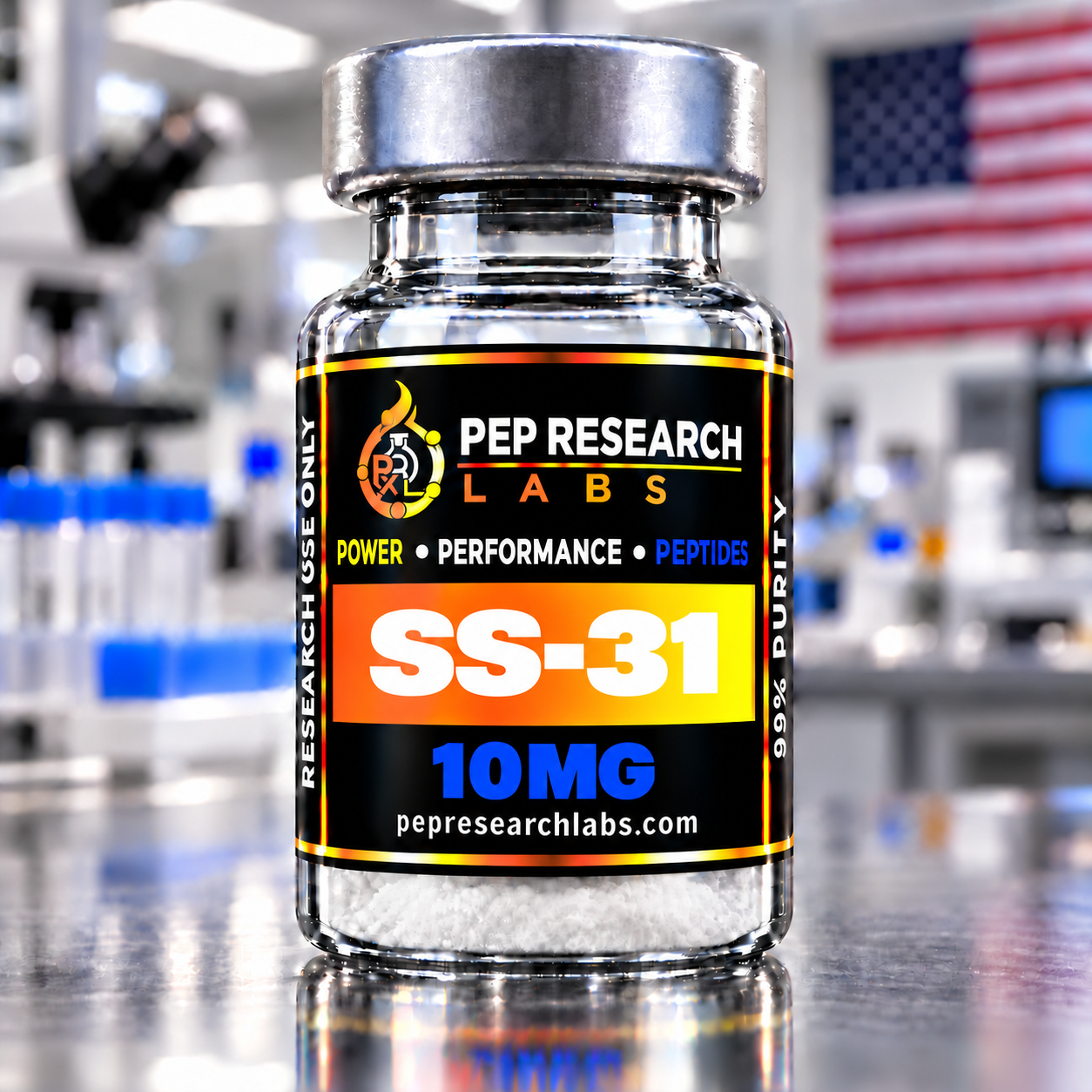
SS-31
SS-31 — Research Use Only SS-31, also known as elamipretide, is a synthetic, mitochondria-targeted tetrapeptide studied for its interactions with the inner mitochondrial membrane and cardiolipin. Its compact structure and alternating aromatic-cationic properties allow it to concentrate near mitochondrial membranes independently of membrane potential. SS-31 is used in qualified research settings to investigate mitochondrial bioenergetics, oxidative-stress responses, membrane organization, electron-transport-chain function, cellular energetics, and tissue responses to mitochondrial dysfunction. Product Information Product: SS-31 Also known as: Elamipretide, MTP-131 and Bendavia Compound type: Synthetic aromatic-cationic peptide Peptide length: 4 amino acids Sequence: D-Arg–Dmt–Lys–Phe–NH₂ Research class: Mitochondria-targeted peptide Form: Lyophilized research material Purity: Refer to the lot-specific Certificate of Analysis Testing: Identity and purity documentation available by lot Storage: Store according to the conditions printed on the product label and Certificate of Analysis Research Applications SS-31 may be used in qualified laboratory investigations involving: Mitochondrial membrane structure and function Cardiolipin-associated membrane interactions Electron-transport-chain activity Mitochondrial respiration and ATP production Reactive oxygen species and oxidative-stress responses Mitochondrial permeability and membrane integrity Cellular bioenergetics and metabolic resilience Ischemia-reperfusion research models Skeletal- and cardiac-muscle mitochondrial biology Neurodegeneration and cellular-stress models Age-associated mitochondrial changes Comparative mitochondrial-targeting strategies Important Notice For research use only. Not for human or veterinary use. This product is supplied exclusively for controlled laboratory research by qualified professionals. It is not intended for diagnosis, treatment, prevention, personal administration, pharmacy compounding, mitochondrial therapy, anti-aging use, performance enhancement, or any other clinical purpose. No dosing, reconstitution, administration, disease-management, performance, longevity, or therapeutic guidance is provided or implied. Researchers are responsible for appropriate handling and compliance with all applicable requirements.
Per 10 mg vial / container · Sampled retail prices, Oct 1, 2026
$7.95 below comparison price
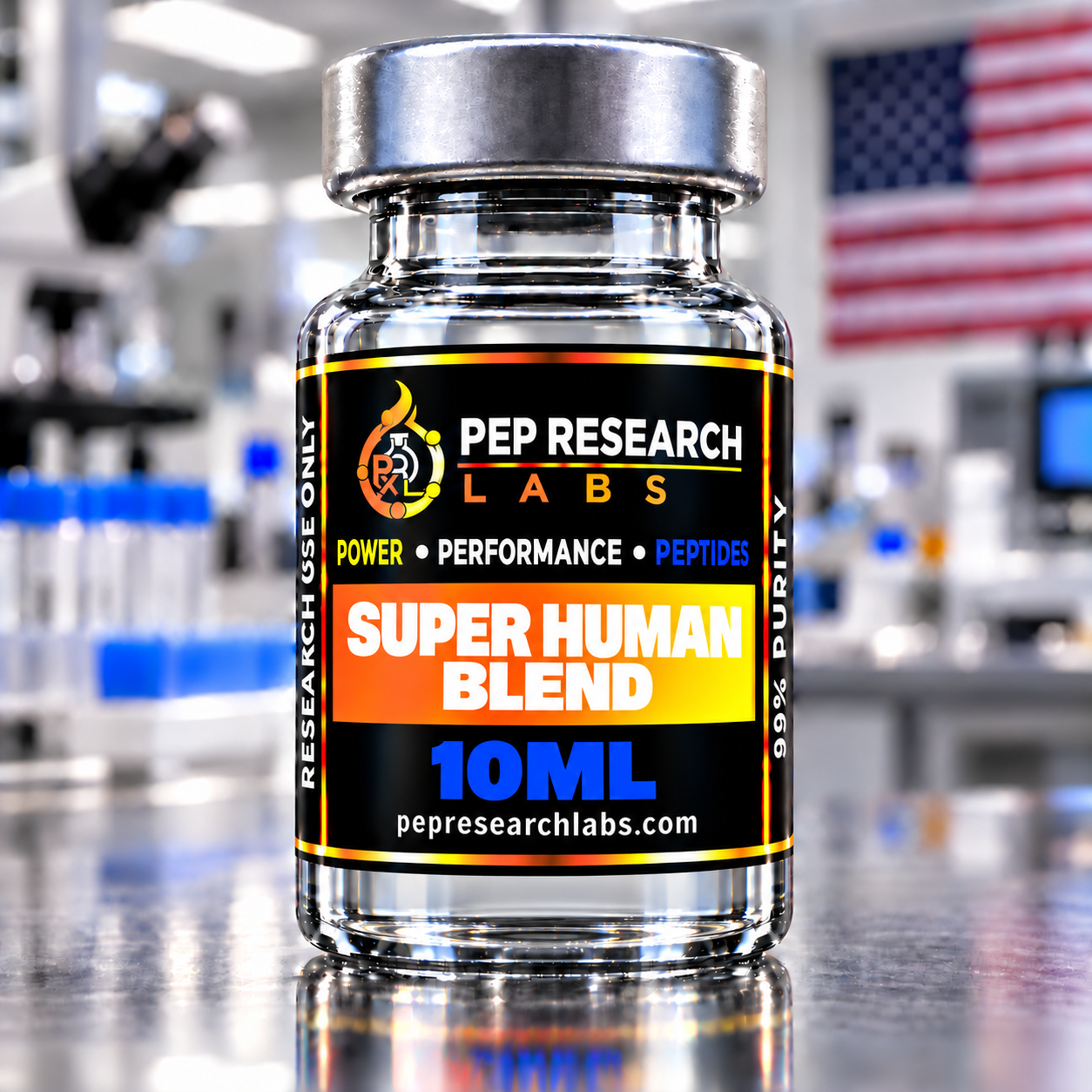
Super Human Blend
Super Human Blend Super Human Blend is a comprehensive research formulation containing seven amino acids selected for the study of cellular energy, nitrogen metabolism, protein synthesis, nitric-oxide pathways and physiological performance mechanisms. The formula combines L-Arginine and L-Citrulline—two amino acids frequently investigated for their roles in nitric-oxide production and cellular circulation pathways—with L-Ornithine, which participates in the urea cycle and nitrogen metabolism. L-Lysine, L-Glutamine and L-Proline provide additional research value related to protein formation, connective-tissue biology and cellular recovery processes. L-Taurine rounds out the formulation as an amino-sulfonic acid studied for its involvement in cellular hydration, electrolyte balance and antioxidant systems. Research Focus Areas Nitric-oxide production and vascular signaling Amino-acid and nitrogen metabolism Cellular energy and performance pathways Protein synthesis and tissue-repair mechanisms Connective-tissue and collagen biology Cellular hydration and osmotic balance Exercise physiology and recovery research Formulation L-Arginine — 110 mg L-Ornithine — 110 mg L-Citrulline — 120 mg L-Lysine — 70 mg L-Glutamine — 40 mg L-Proline — 60 mg L-Taurine — 60 mg Vial volume — 10 mL Storage Store according to the conditions shown on the product label. Protect from excessive heat, direct sunlight and contamination. Keep securely out of reach of children and animals. For laboratory research and educational purposes only. Not for human or veterinary use. This product is not intended to diagnose, treat, cure or prevent any disease.
Per 10 mL vial / container · Sampled retail prices, Oct 1, 2026
$9.75 below comparison price
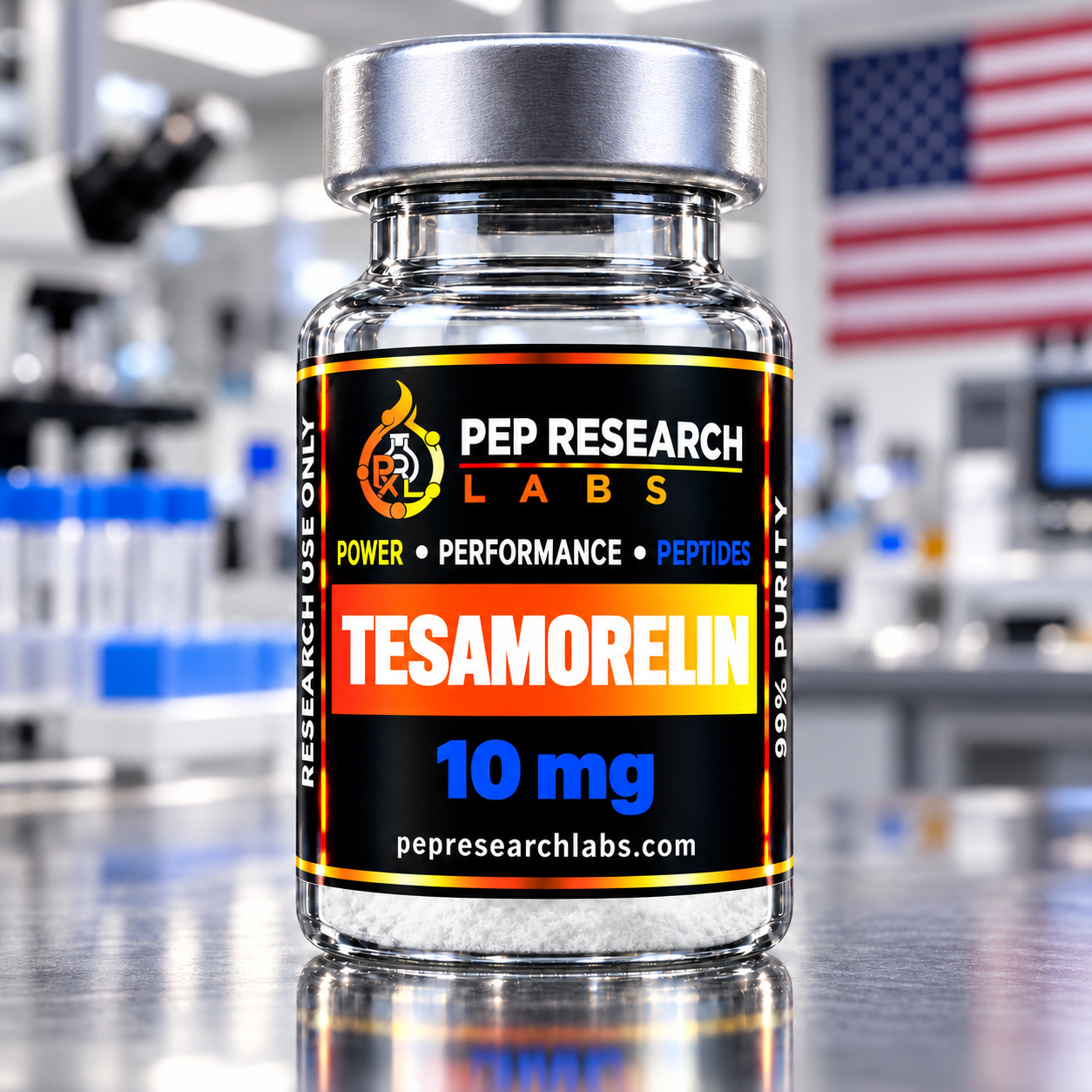
Tesamorelin
Tesamorelin — Research Use Only Tesamorelin is a synthetic 44-amino-acid analog of human growth hormone–releasing hormone, also known as growth hormone–releasing factor. The molecule contains the complete human GHRH(1–44) sequence with an N-terminal trans-3-hexenoyl modification designed to increase stability against enzymatic degradation. Tesamorelin is used in qualified research settings to investigate GHRH-receptor signaling, pulsatile growth-hormone secretion, IGF-1 pathways, adipocyte biology, lipid metabolism, and body-composition measurements in defined experimental models. Product Information Product: Tesamorelin Compound type: Synthetic GHRH/GRF analog Peptide length: 44 amino acids Structural modification: N-terminal trans-3-hexenoyl group Molecular weight: Approximately 5,135.9 Da as the free-base equivalent Form: Lyophilized research material Purity: Refer to the lot-specific Certificate of Analysis Testing: Identity and purity documentation available by lot Storage: Store according to the conditions printed on the product label and Certificate of Analysis Research Applications Tesamorelin may be used in qualified laboratory investigations involving: GHRH-receptor activation Pituitary growth-hormone secretion Growth-hormone pulse dynamics IGF-1 and IGFBP-3 signaling Adipocyte and lipid-metabolism pathways Visceral and subcutaneous adipose-tissue models Body-composition measurement methods Glucose and metabolic-marker research GH-axis feedback and endocrine signaling Important Regulatory Distinction Tesamorelin is the active ingredient in the FDA-approved prescription products EGRIFTA SV and EGRIFTA WR, which are indicated to reduce excess abdominal fat in adults with HIV-associated lipodystrophy. The prescribing information specifically states that these products are not indicated for general weight-loss management. The tesamorelin offered by Pep Research Labs is an independent research-use-only material. It is not EGRIFTA, is not an FDA-approved drug product, and must not be represented as equivalent or interchangeable with either approved prescription formulation. Important Notice For research use only. Not for human or veterinary use. This product is supplied exclusively for controlled laboratory research by qualified professionals. It is not intended for diagnosis, treatment, prevention, personal administration, compounding, weight-loss management, bodybuilding, or any other clinical purpose. No dosing, reconstitution, administration, fat-loss, muscle-building, anti-aging, or therapeutic guidance is provided or implied. Researchers are responsible for appropriate handling and compliance with all applicable requirements.
Per 10 mg vial / container · Sampled retail prices, Oct 1, 2026
$12.00 below comparison price
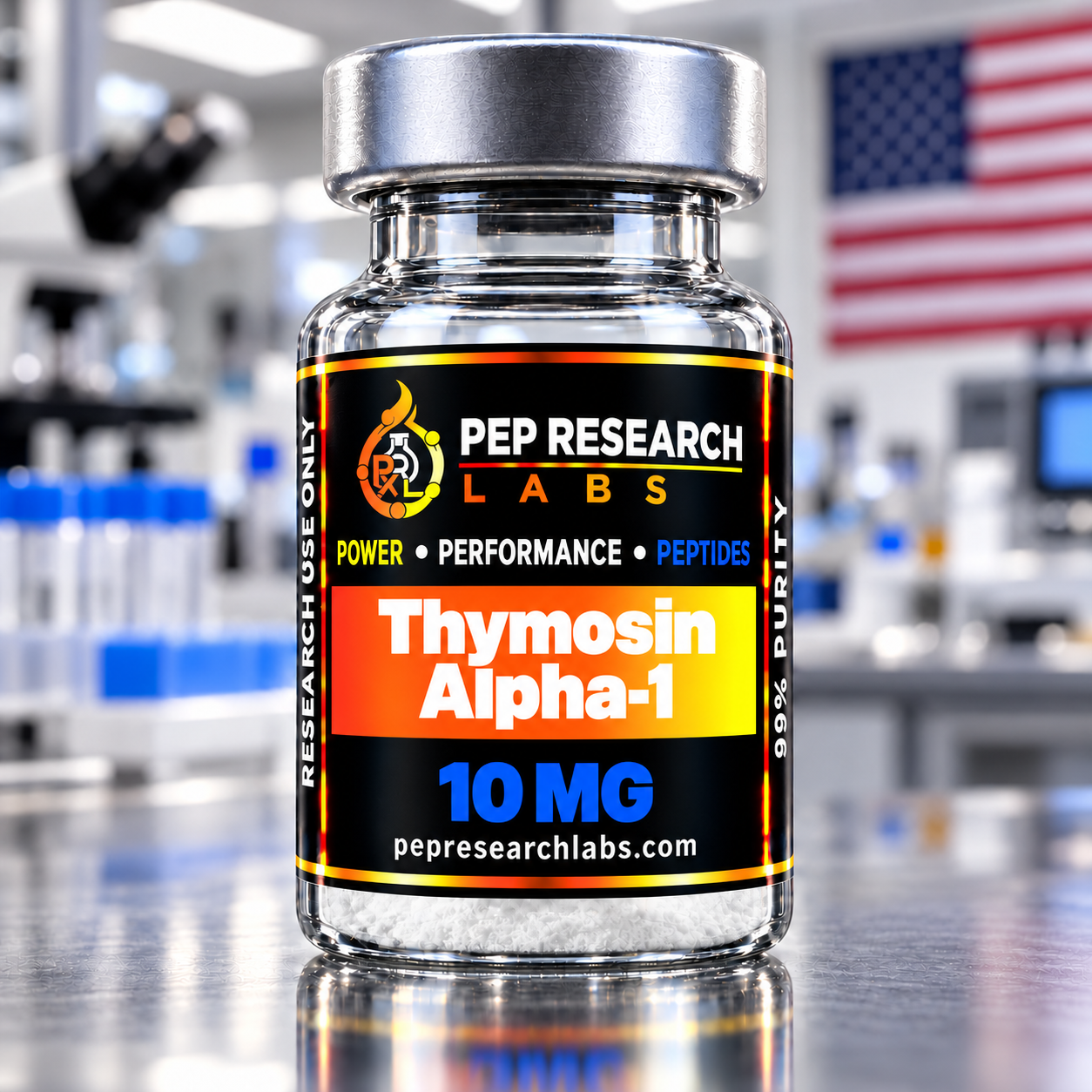
Thymosin Alpha-1
Thymosin Alpha-1 — Research Use Only Thymosin Alpha-1, also known as Tα1 or thymalfasin, is a synthetic version of a naturally occurring 28-amino-acid peptide associated with thymic immune regulation. It is studied for its interactions with innate and adaptive immune pathways, including T-cell maturation, dendritic-cell activity, cytokine signaling, and immune-response coordination. Thymosin Alpha-1 is used in qualified research settings to investigate immune-cell differentiation, Toll-like receptor signaling, inflammatory-response regulation, immune tolerance, host-defense pathways, and age-associated changes in immune function. Product Information Product: Thymosin Alpha-1 Also known as: Tα1, thymalfasin and TA-1 Compound type: Synthetic N-acetylated peptide Peptide length: 28 amino acids Sequence: Ac-SDAAVDTSSEITTKDLKEKKEVVEEAEN-OH Research class: Thymic immunoregulatory peptide Molecular weight: Approximately 3,108.3 g/mol Form: Lyophilized research material Purity: Refer to the lot-specific Certificate of Analysis Testing: Identity and purity documentation available by lot Storage: Store according to the conditions printed on the product label and Certificate of Analysis The synthetic form, thymalfasin, is chemically equivalent to human Thymosin Alpha-1 and retains its naturally occurring N-terminal acetylation. Research Applications Thymosin Alpha-1 may be used in qualified laboratory investigations involving: T-cell maturation and differentiation Dendritic-cell development and activation Toll-like receptor signaling Natural-killer-cell activity Cytokine and chemokine regulation Innate and adaptive immune-response pathways Immune tolerance and inflammatory balance Antigen-presentation mechanisms Immune-cell responses to microbial components Immunosenescence and thymic-aging models Vaccine-response research Comparative immunoregulatory-peptide studies Published studies have examined Thymosin Alpha-1 across cellular, animal and clinical research settings, but regulatory status and authorized medical uses vary by country. Findings from approved pharmaceutical formulations cannot automatically be applied to RUO materials. Important Notice For research use only. Not for human or veterinary use. This product is supplied exclusively for controlled laboratory research by qualified professionals. It is not intended for diagnosis, treatment, prevention, personal administration, pharmacy compounding, immune enhancement, infection management, vaccination support, or any other clinical purpose. Thymosin Alpha-1 is not approved by the U.S. Food and Drug Administration for general therapeutic use. No dosing, reconstitution, administration, immune-support, disease-management, or therapeutic guidance is provided or implied. Researchers are responsible for appropriate handling and compliance with all applicable requirements.
Per 10 mg vial / container · Sampled retail prices, Oct 1, 2026
$8.77 below comparison price